
Korean Recipes, Food Culture & UK Ingredient Guides
-
Beyond Napa Cabbage: 8 Types of Kimchi to Try (Plus Where to Buy in the UK)
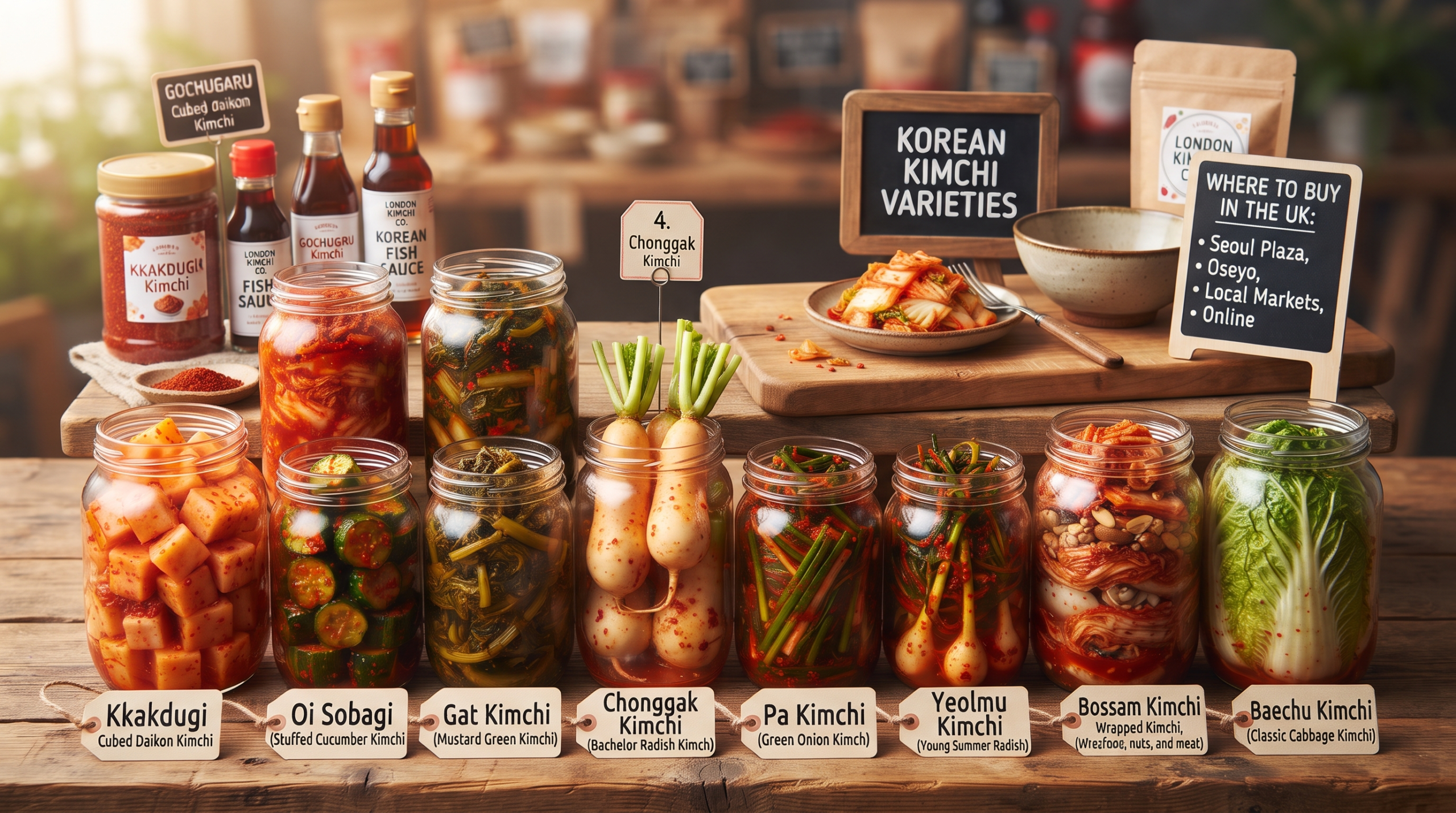
Kimchi is one of the most recognizable foods in Korean cuisine, but there is much more to discover than the familiar spicy napa cabbage version. Across Korea, different vegetables, regional traditions and seasonal ingredients have shaped a wide range of kimchi varieties, each with its own flavour, texture and place at the table. Some kimchi…
-
Kimjang: The Korean Tradition of Making and Sharing Kimchi
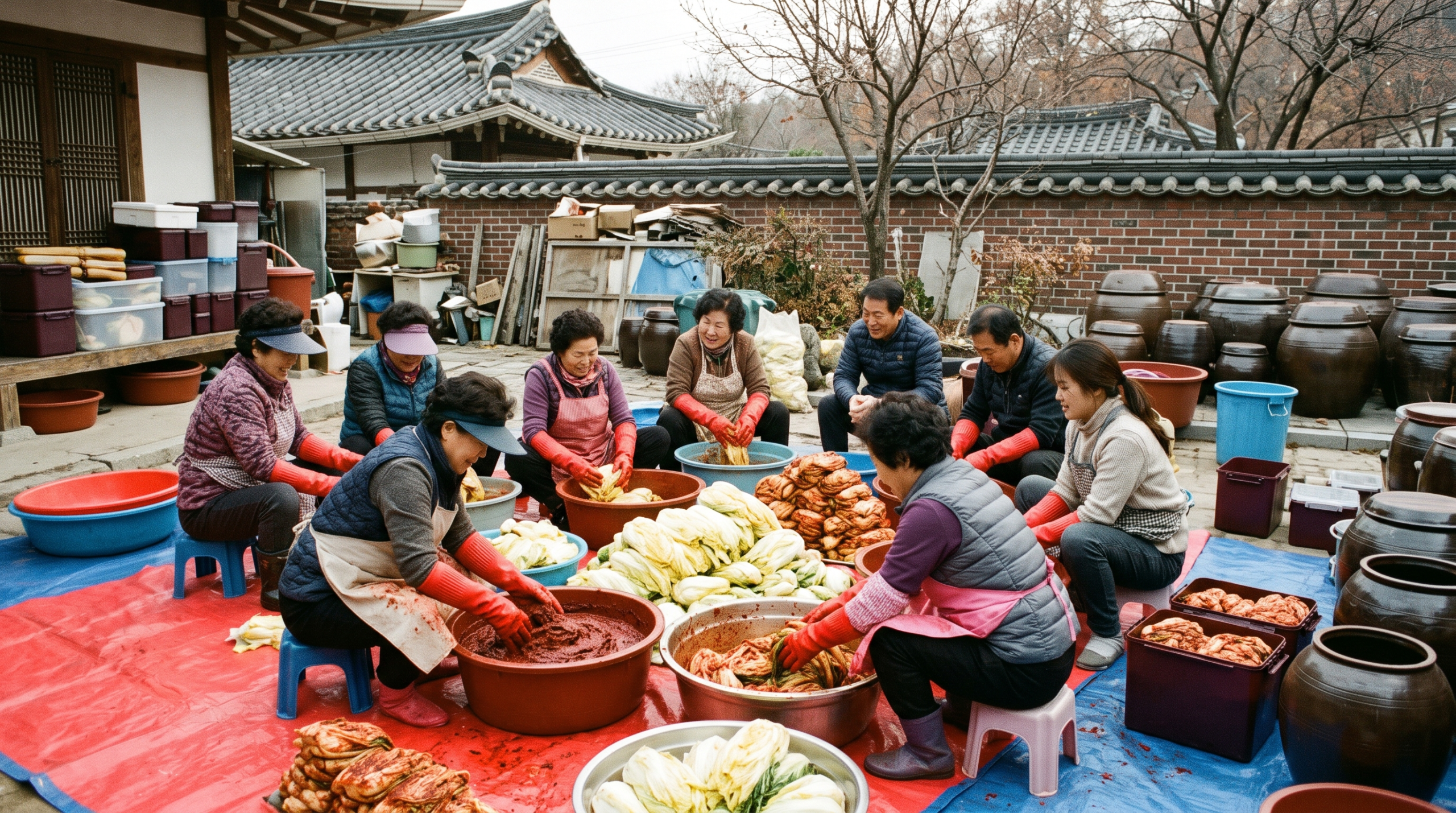
When autumn gives way to winter in Korea, one of the country’s most meaningful food traditions comes into focus: kimjang (김장), the communal preparation of kimchi for the colder months ahead. For generations, Korean families and communities have gathered to prepare large quantities of kimchi, sharing ingredients, practical knowledge and the work involved. Although kimchi…
-
Ginger, Turmeric, Lemon and Manuka Honey for Post-Workout Recovery: What the Evidence Says

Ginger, turmeric, Manuka honey and lemon are familiar ingredients in many kitchens, but they are also often promoted as natural ways to support post-workout recovery. While each has a place in a varied diet, the evidence is more nuanced than the wellness claims often suggest. After my morning jog, I have ginger, turmeric, Manuka honey…
-
Korean-Inspired Pumpkin Soup with Red Beans and Glutinous Rice
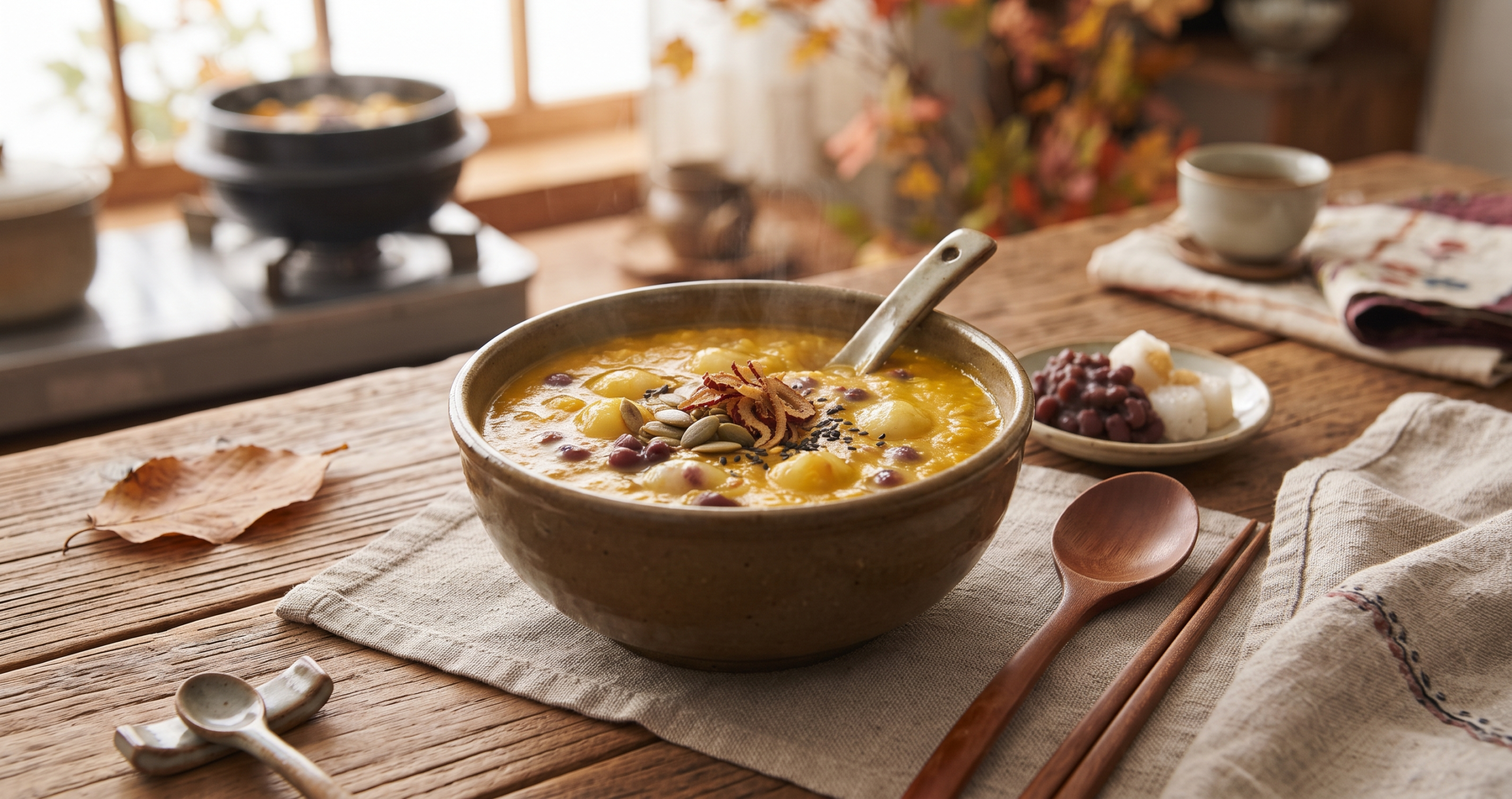
When autumn arrives in the UK, pumpkins and winter squash become easy to find in supermarkets. They are perfect for making warming homemade soups as the days grow colder. This Korean-inspired pumpkin soup combines naturally sweet pumpkin with red beans and glutinous rice. Inspired by the comforting ingredients used in traditional Korean pumpkin porridge (hobak-juk),…
-
Jjigae vs Guk vs Tang: Korean Soups Explained
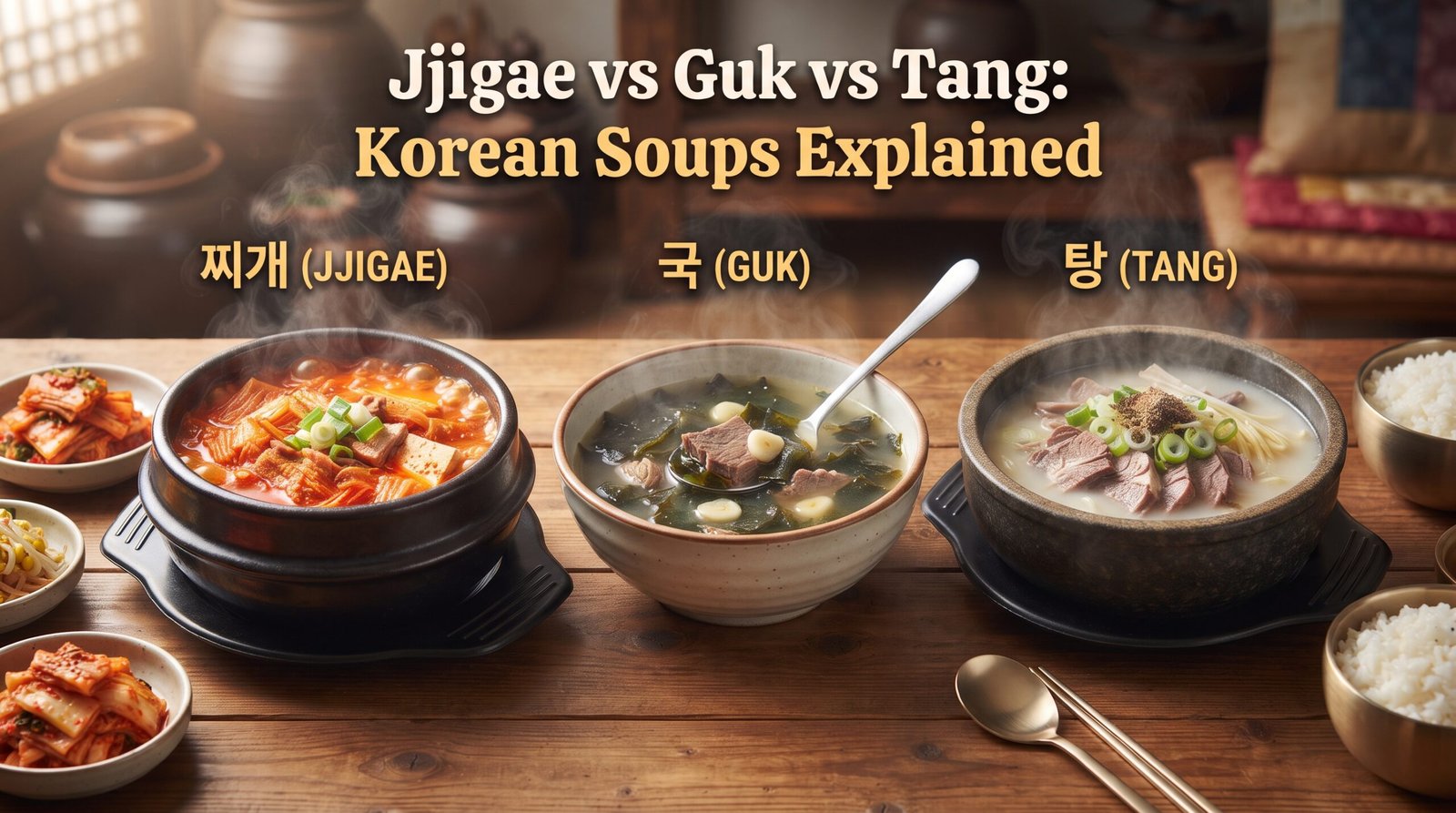
Korean meals often include a comforting bowl of soup or stew, but you may have noticed that Korean dishes use several different words for these dishes: jjigae (찌개), guk (국) and tang (탕). For anyone new to Korean food, the difference can be confusing. All three can contain vegetables, tofu, meat, seafood or other ingredients,…
-
Easy Korean Kimchi Fried Rice with Egg: A 15-Minute Meal
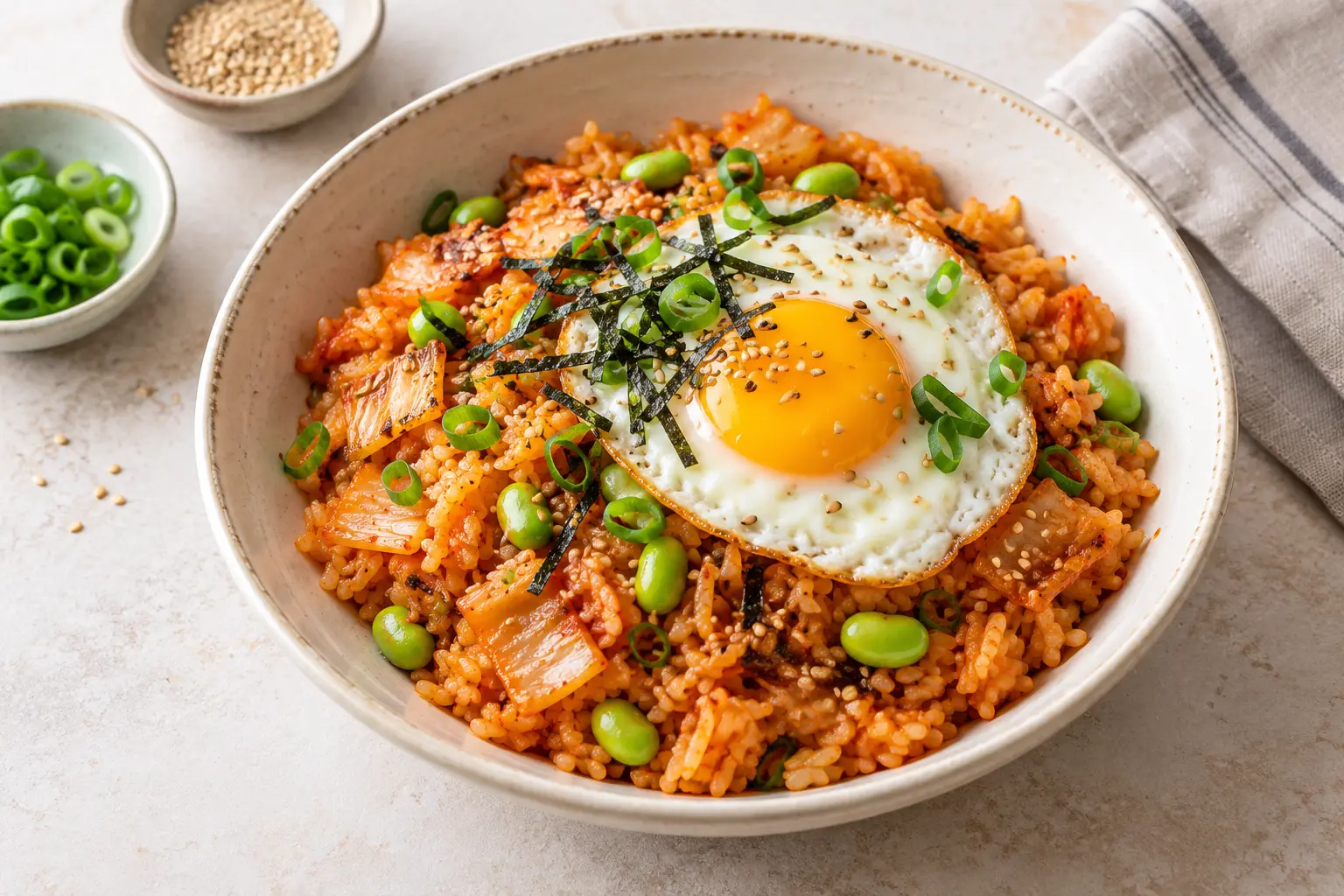
Kimchi fried rice, or kimchi-bokkeumbap (김치볶음밥), is a quick Korean home meal made with cooked rice and well-ripened kimchi. Topped with an egg, it is simple, flavourful and easy for anyone to make. This version adds shelled edamame for extra colour, texture and plant protein. The edamame is a practical addition rather than an essential…
-
How to Choose Gochujang in a UK Supermarket

Gochujang is now available in many UK supermarkets, but the products beside one another can be surprisingly different. One may be a concentrated Korean fermented paste, another a milder blended cooking paste, and another a ready-to-use sauce. The best choice depends less on the front-label design and more on how you plan to use it.…
-
Gochujang Salmon Rice Bowl
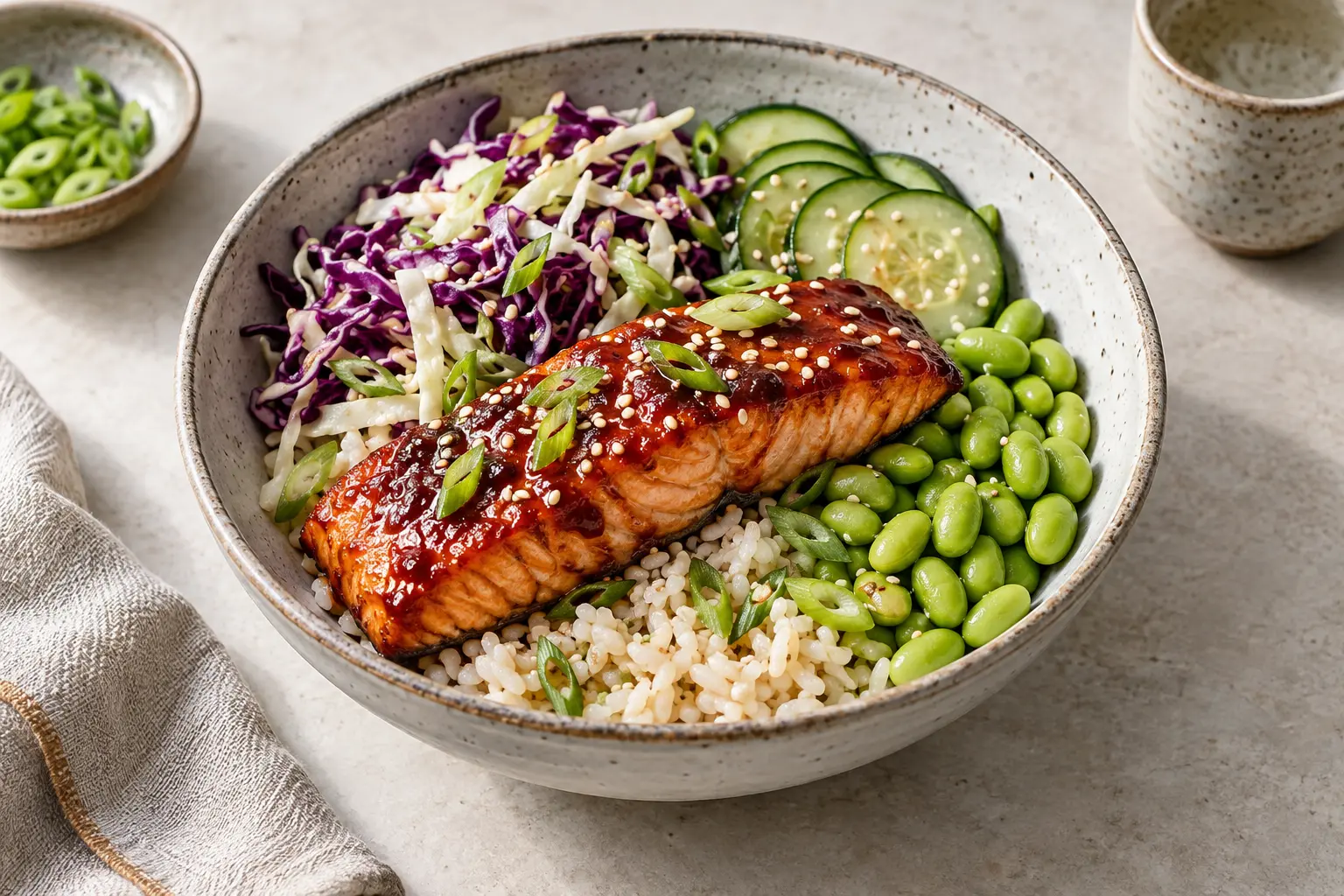
This gochujang salmon rice bowl brings together flaky baked salmon, warm rice, edamame and crisp vegetables in an easy weeknight meal. A measured glaze of Korean chilli paste, rice vinegar, garlic and toasted sesame oil gives the salmon a spicy, savoury and gently sweet finish. Adding the glaze towards the end of cooking helps it…
-
Easy Chuseok Japchae with Tofu and Vegetables
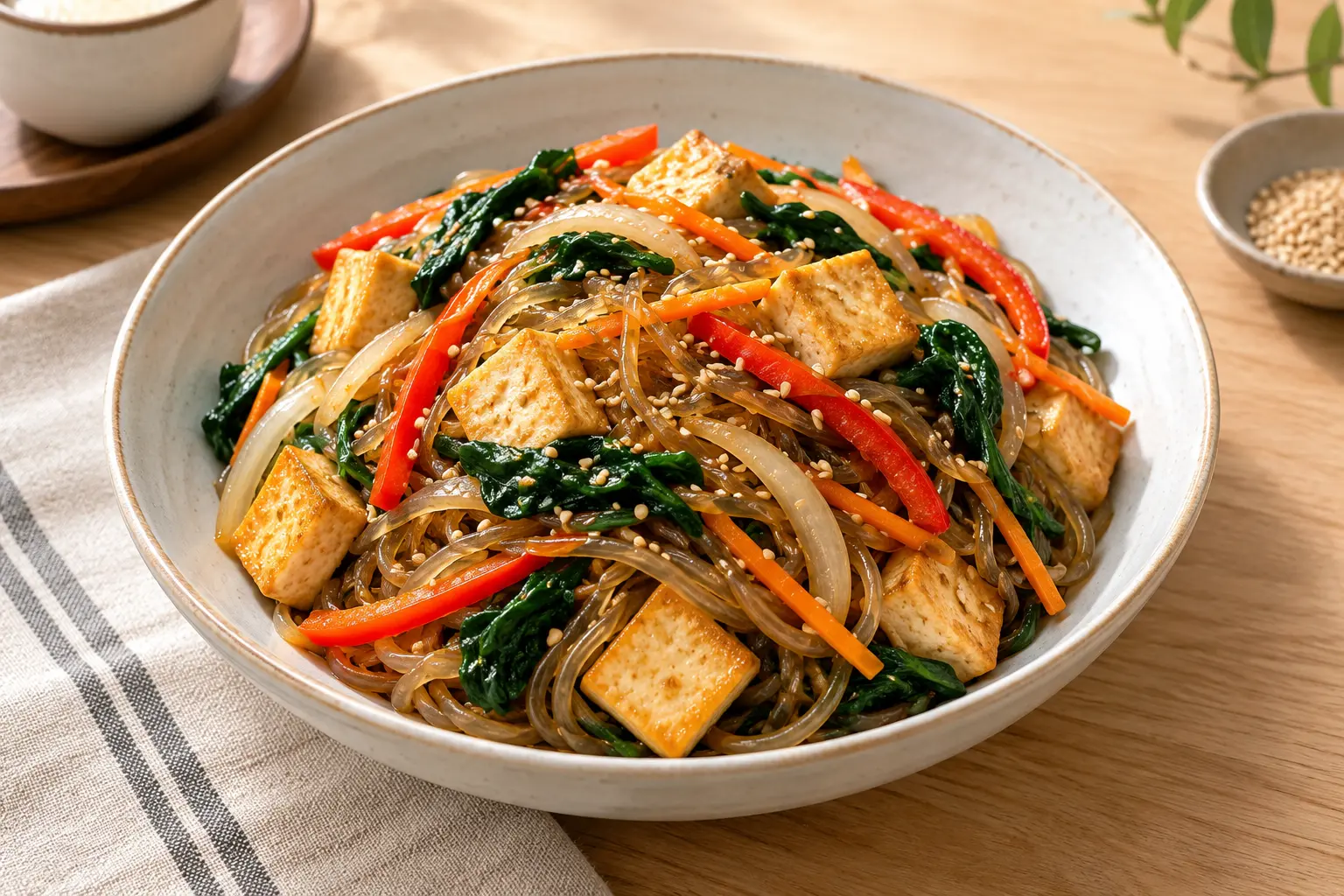
Japchae (잡채) is one of Korea’s best-known celebration dishes, combining chewy glass noodles with colourful vegetables and a savoury-sweet soy and sesame seasoning.It often appears at holidays, birthdays and family gatherings, making it a natural dish to enjoy during Chuseok. Traditional versions frequently include beef, but japchae is also easy to adapt with mushrooms, vegetables…
-
The Chuseok Full Moon: Korean Traditions, Wishes and the Meaning of Songpyeon
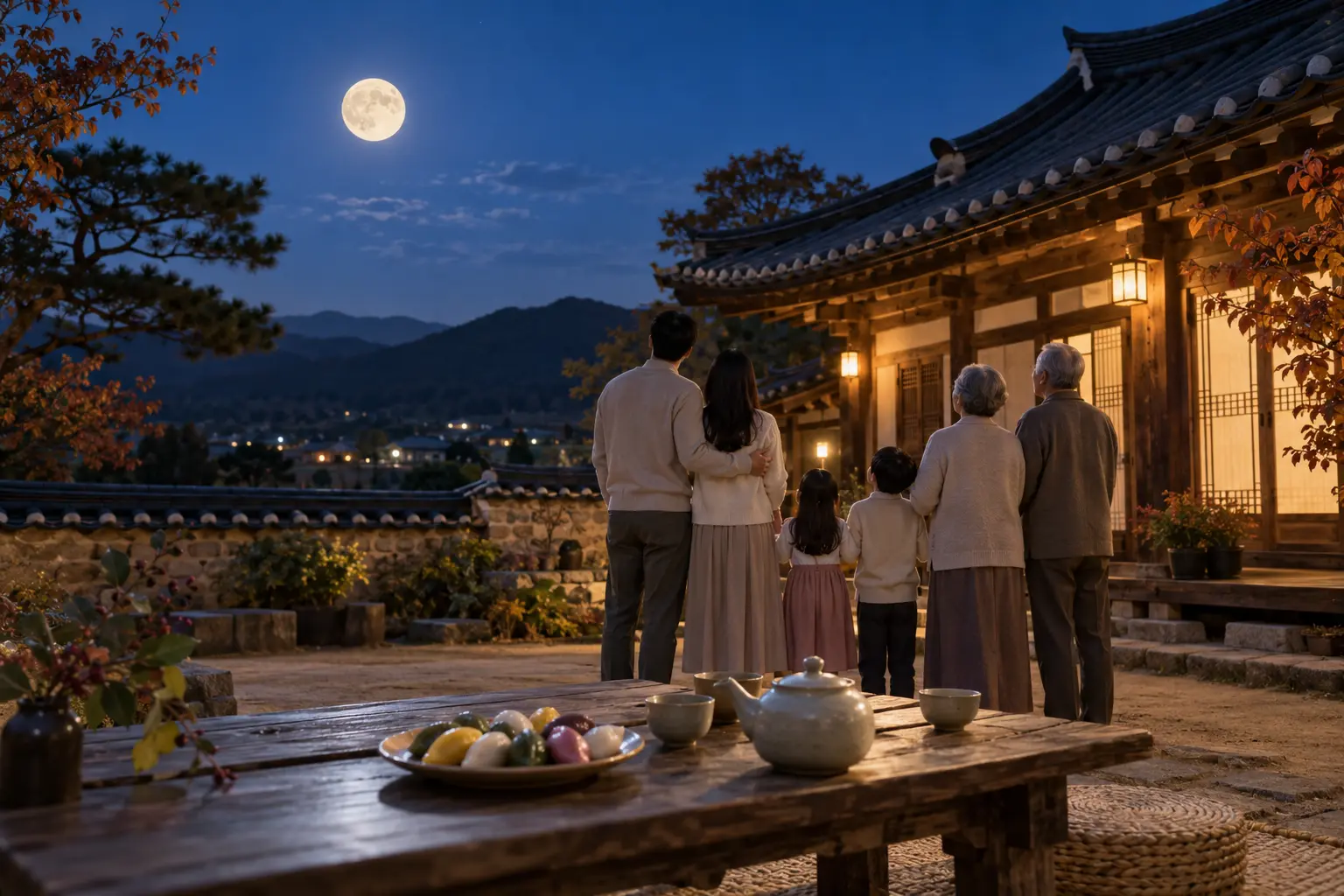
On Chuseok evening, the most meaningful sight may be above the table rather than on it. The holiday falls on the fifteenth day of the eighth lunar month, when the bright autumn moon has long represented harvest, abundance and reunion. Families may step outside after dinner, look towards the moon and make wishes for the…