Korean Food Culture
-
Jjigae vs Guk vs Tang: Korean Soups Explained
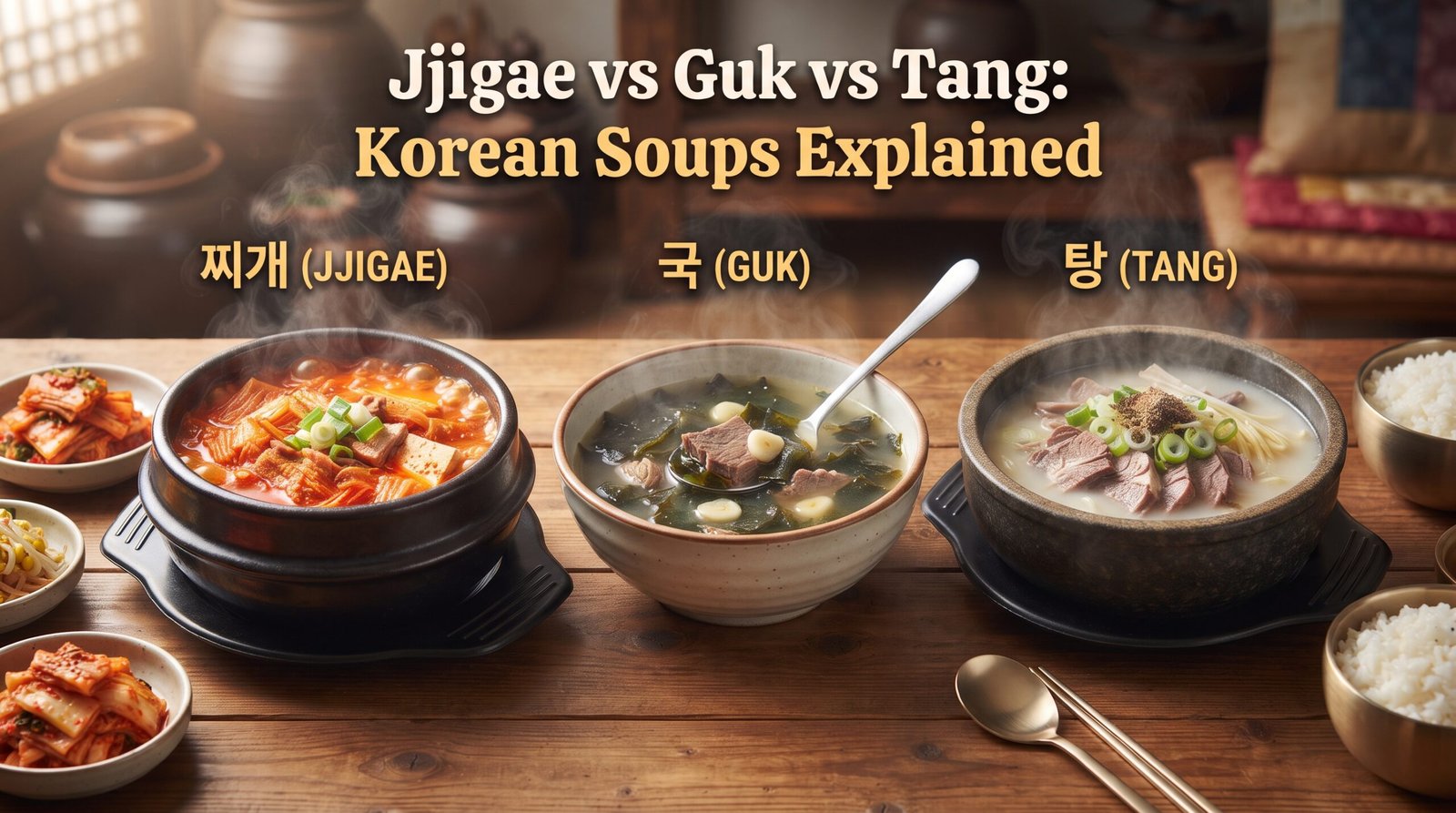
Korean meals often include a comforting bowl of soup or stew, but you may have noticed that Korean dishes use several different words for these dishes: jjigae (찌개), guk (국) and tang (탕). For anyone new to Korean food, the difference can be confusing. All three can contain vegetables, tofu, meat, seafood or other ingredients,…
-
The Chuseok Full Moon: Korean Traditions, Wishes and the Meaning of Songpyeon
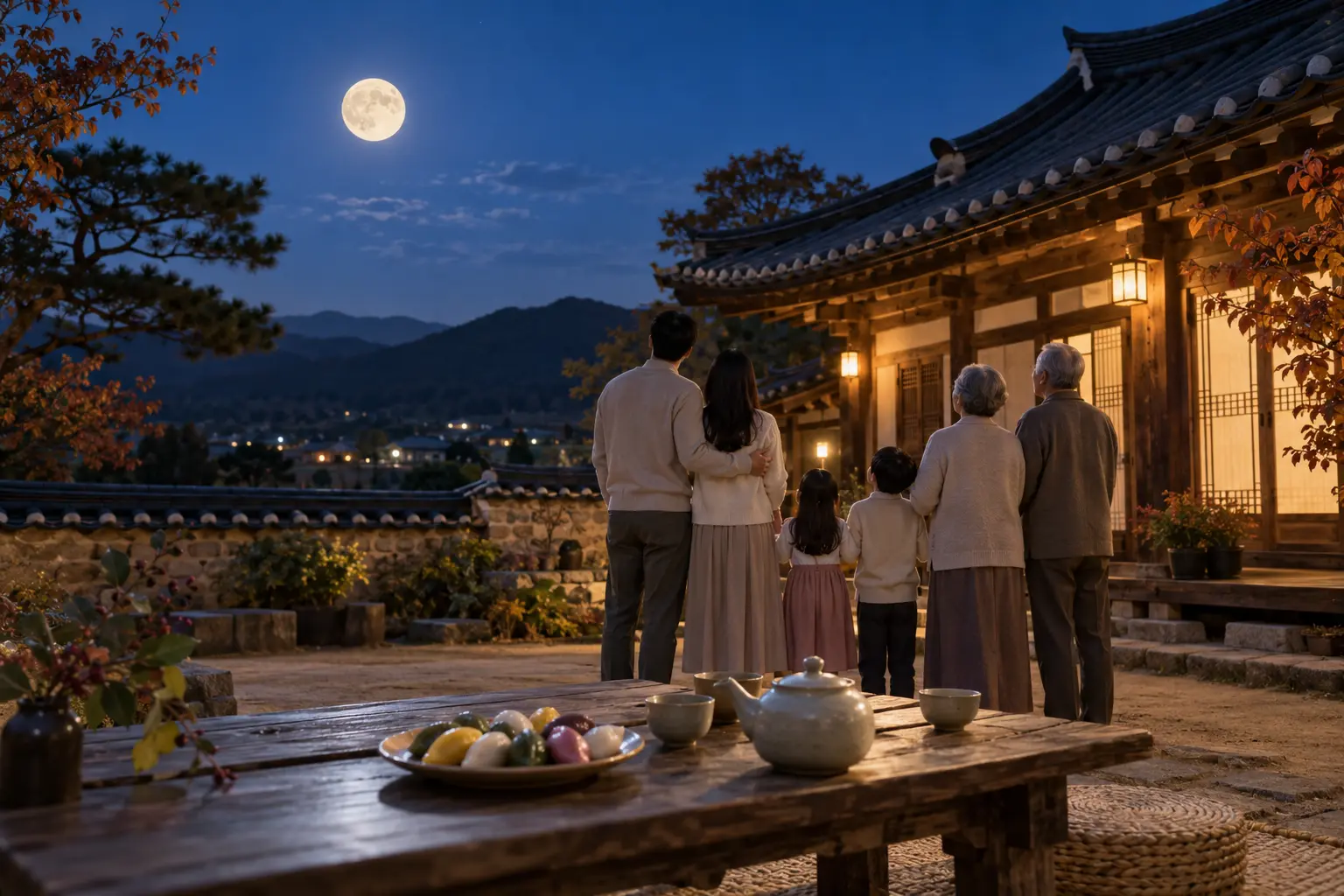
On Chuseok evening, the most meaningful sight may be above the table rather than on it. The holiday falls on the fifteenth day of the eighth lunar month, when the bright autumn moon has long represented harvest, abundance and reunion. Families may step outside after dinner, look towards the moon and make wishes for the…
-
Why Koreans Cook with Aged Kimchi
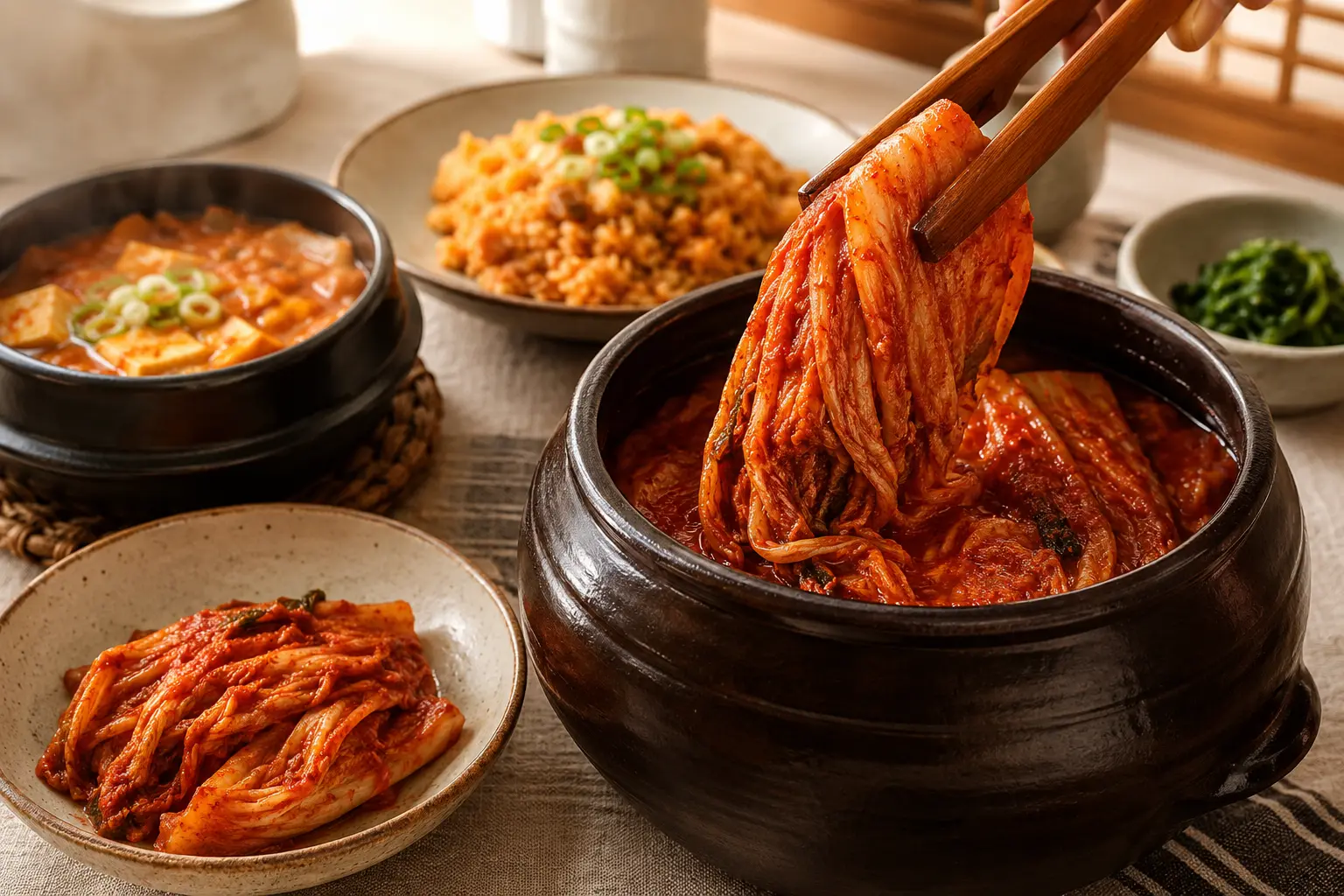
Freshly made kimchi is crisp, bright and lively. As it ferments, however, it develops a sharper acidity, softer texture and deeper savoury aroma. In Korean cooking, that change is not viewed simply as kimchi becoming “too old”. It marks the beginning of a different set of culinary possibilities. A well-ripened batch can season an entire…
-
What Is Songpyeon? Korea’s Half-Moon Rice Cake for Chuseok
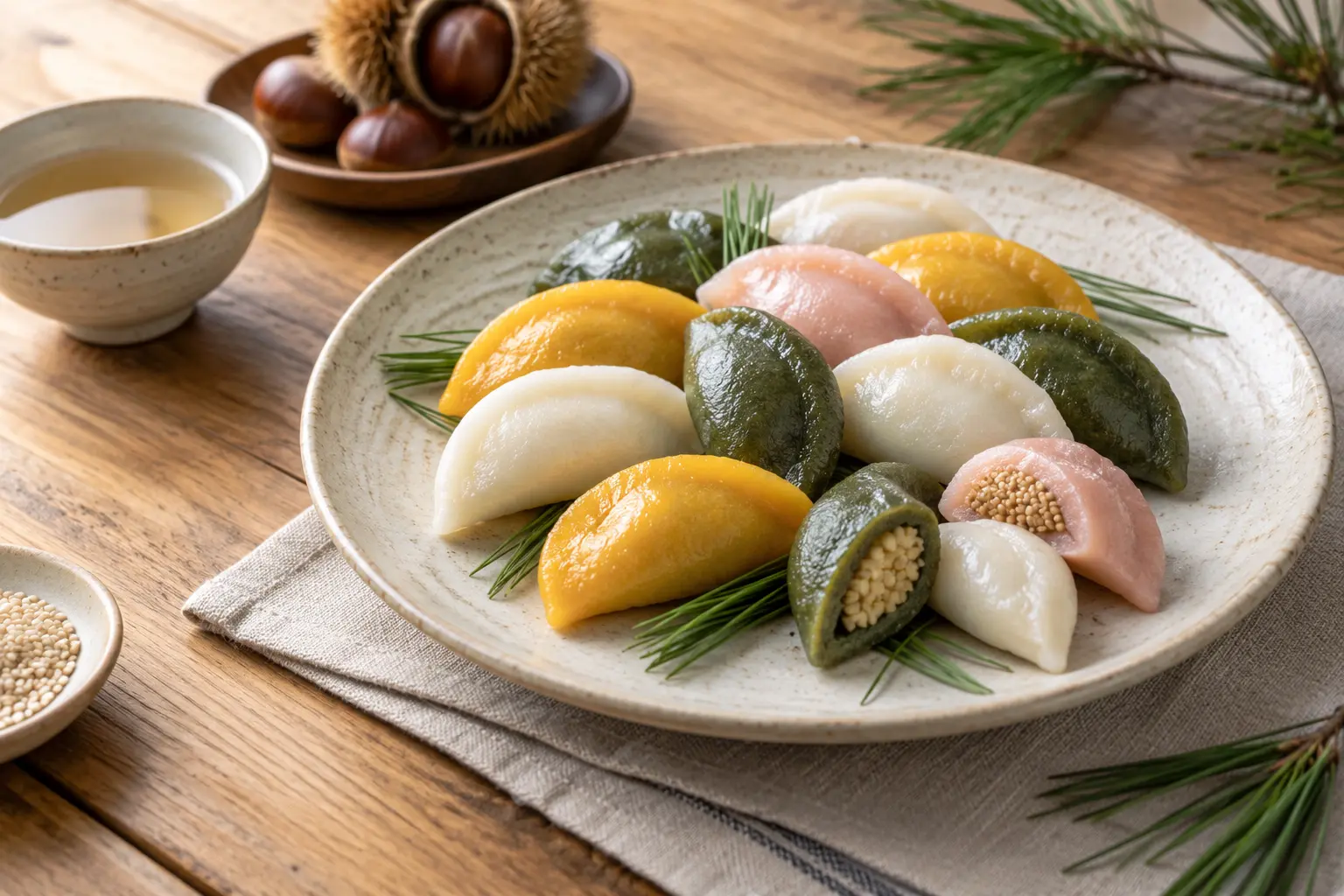
Songpyeon (송편) is a small filled Korean rice cake most closely associated with Chuseok, Korea’s autumn harvest festival. Its soft, chewy rice dough is wrapped around fillings such as sweetened sesame, beans or chestnuts, then traditionally steamed with pine needles. The best-known songpyeon is shaped like a smooth half-moon. Its mild outer layer gives way…
-
What Is Chuseok? Korean Harvest Festival Foods and Traditions
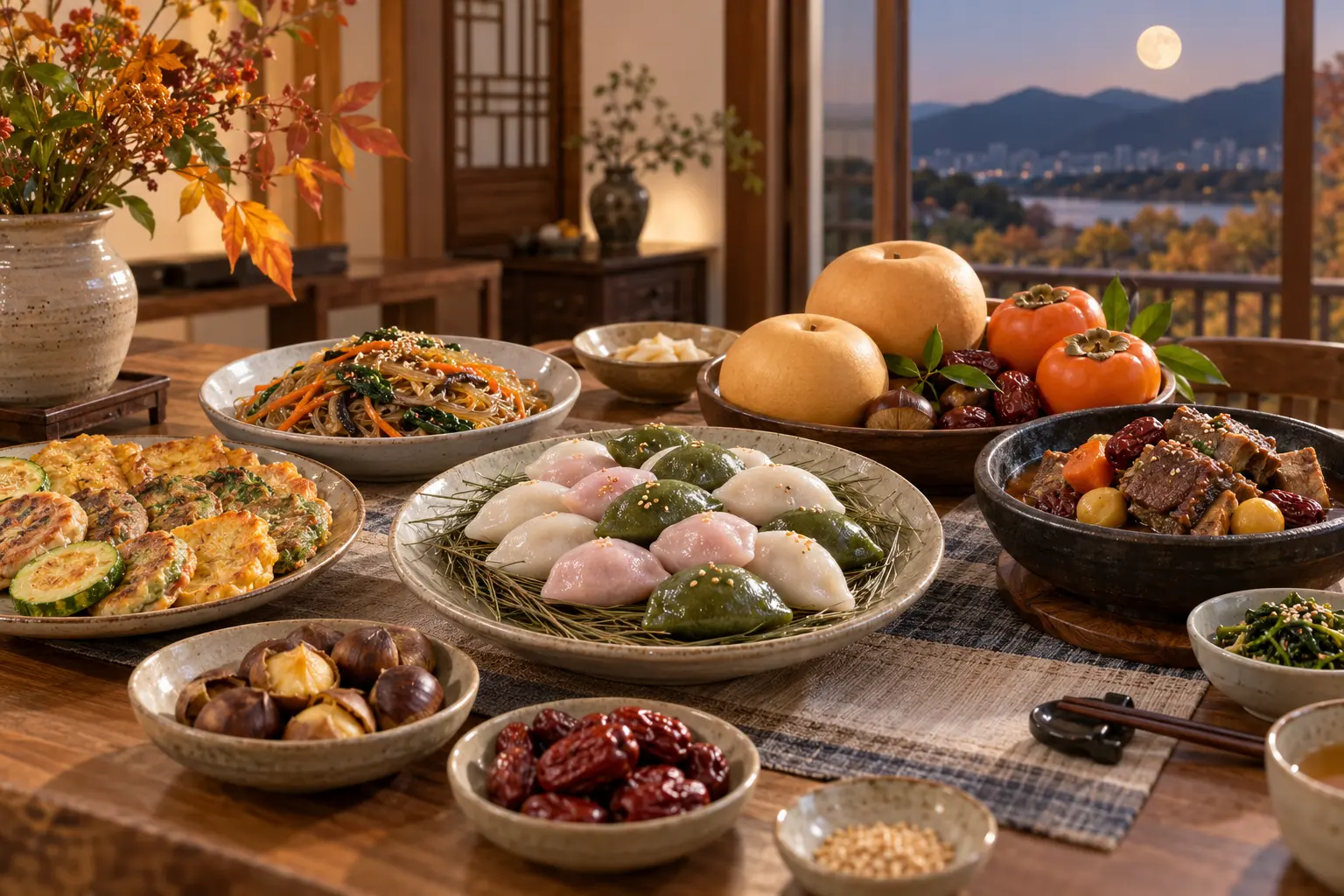
Chuseok (추석) arrives when early autumn begins to settle over Korea. Families travel to spend time together, kitchens fill with the aroma of sesame oil and freshly prepared dishes, and small half-moon rice cakes appear on tables across the country. Often introduced in English as “Korean Thanksgiving”, Chuseok is more accurately understood as Korea’s major…
-
How Gochujang Is Used in Everyday Korean Cooking
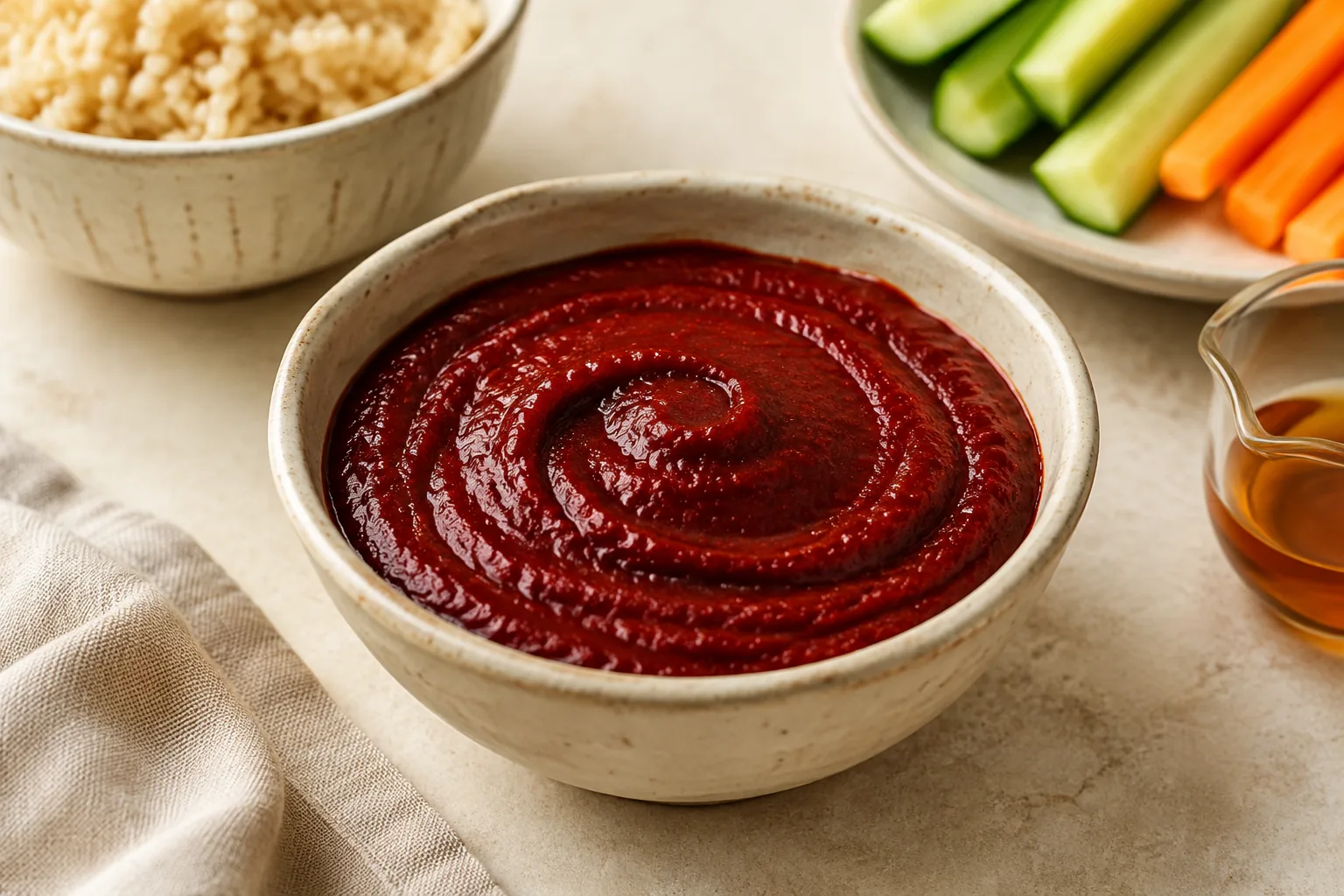
You bought a tub of gochujang for one recipe. Now it is sitting in the fridge, waiting for its next outing. The good news is that you do not need an entirely new shopping list to use it again. Rice, noodles, tofu and a few vegetables offer plenty of possibilities. What changes from one meal…
-
Korean Black Soybean Milk: Seoritae Duyu, Nutrition and Hair Health
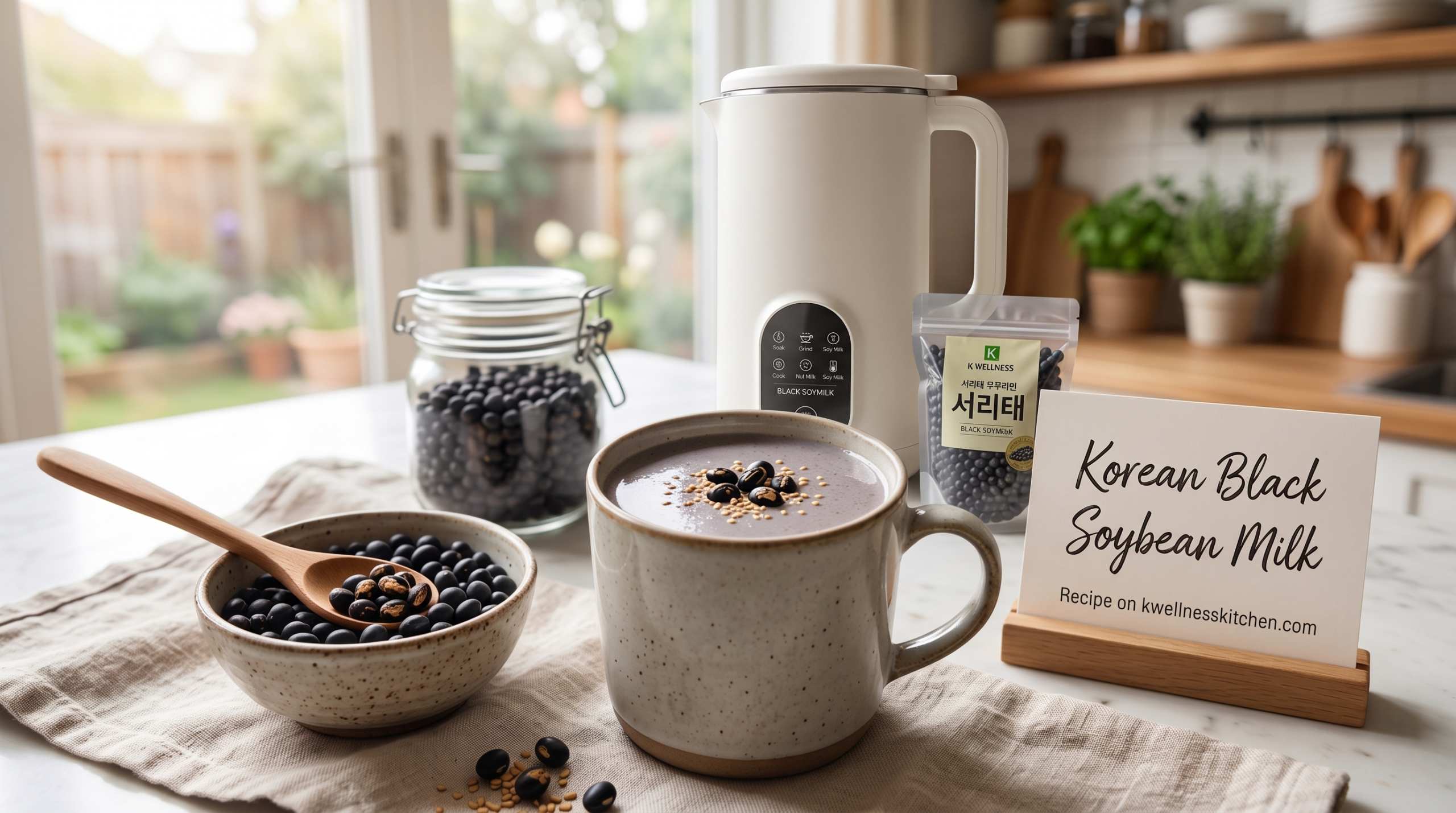
Korean black soybean milk, or seoritae duyu (서리태 두유), is a creamy drink made from black soybeans with distinctive green interiors. Its mild, nutty flavour makes it an easy breakfast drink or snack, while its plant protein, unsaturated fats and naturally occurring isoflavones add useful nutrients to a balanced diet. Seoritae is often associated with…
-
Kimchi and Adult Acne: What the Gut–Skin Research Really Says

Kimchi is a familiar part of Korean meals, valued for its distinctive flavour, fermented vegetables and versatility. But can eating kimchi also benefit adult skin, particularly when it comes to acne? Interest in the gut–skin axis has led researchers to explore how gut microorganisms, inflammation and skin health may be connected. Although some studies of…
-
Korean Roasted Seaweed (Gim): A Low-Calorie Snack for Weight Management
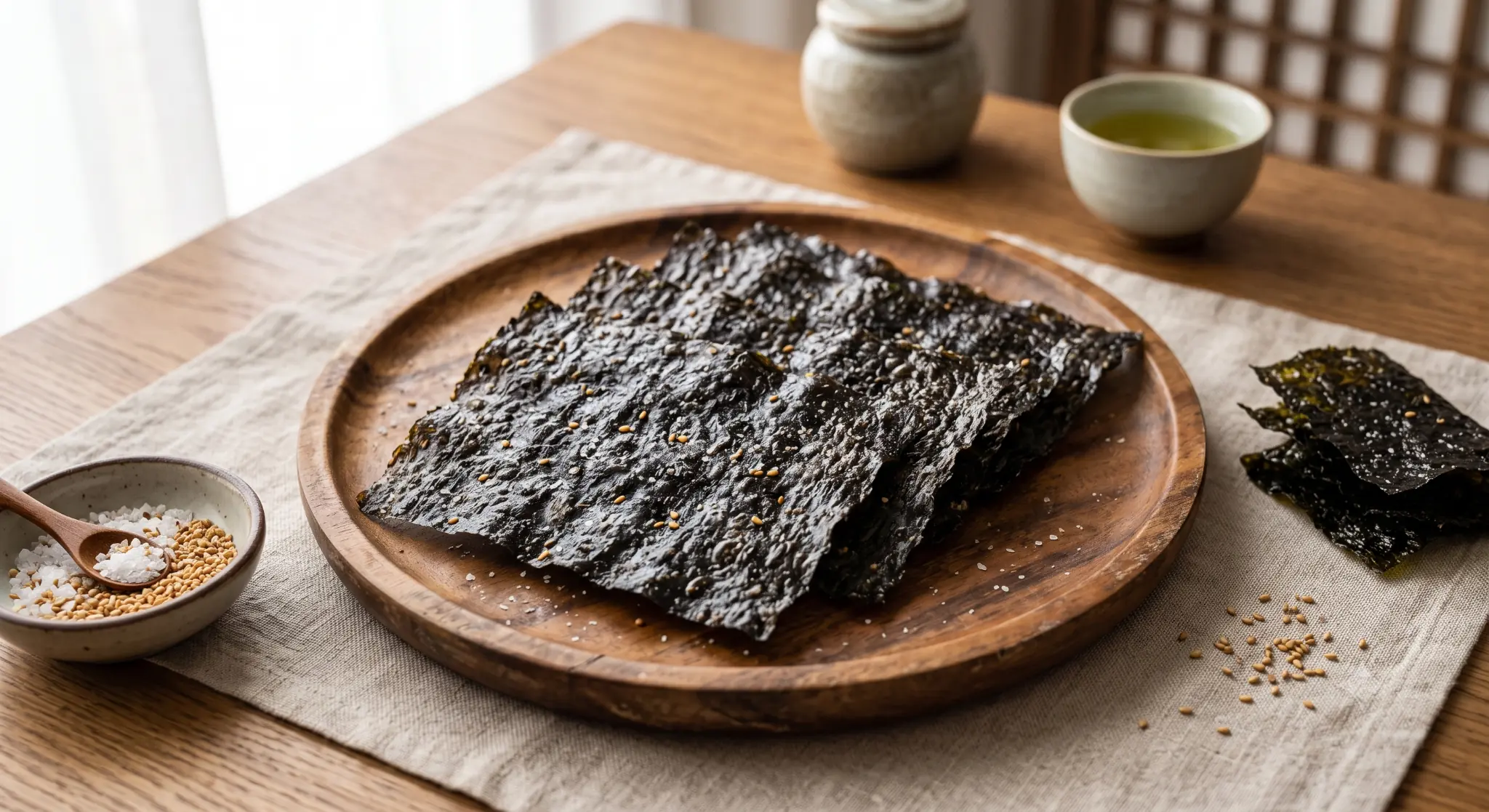
Discover how to enjoy Korean roasted seaweed as a low-calorie snack with practical portions, balanced pairings and easy gim meal ideas. 🌟 Key Takeaways When a Salty Craving Needs More Than Willpower The afternoon snack decision often happens quickly. You are working, hungry enough to lose focus and looking for something crisp and savoury. A…
-
Korean Red Ginseng: Benefits, How to Take It and What to Check
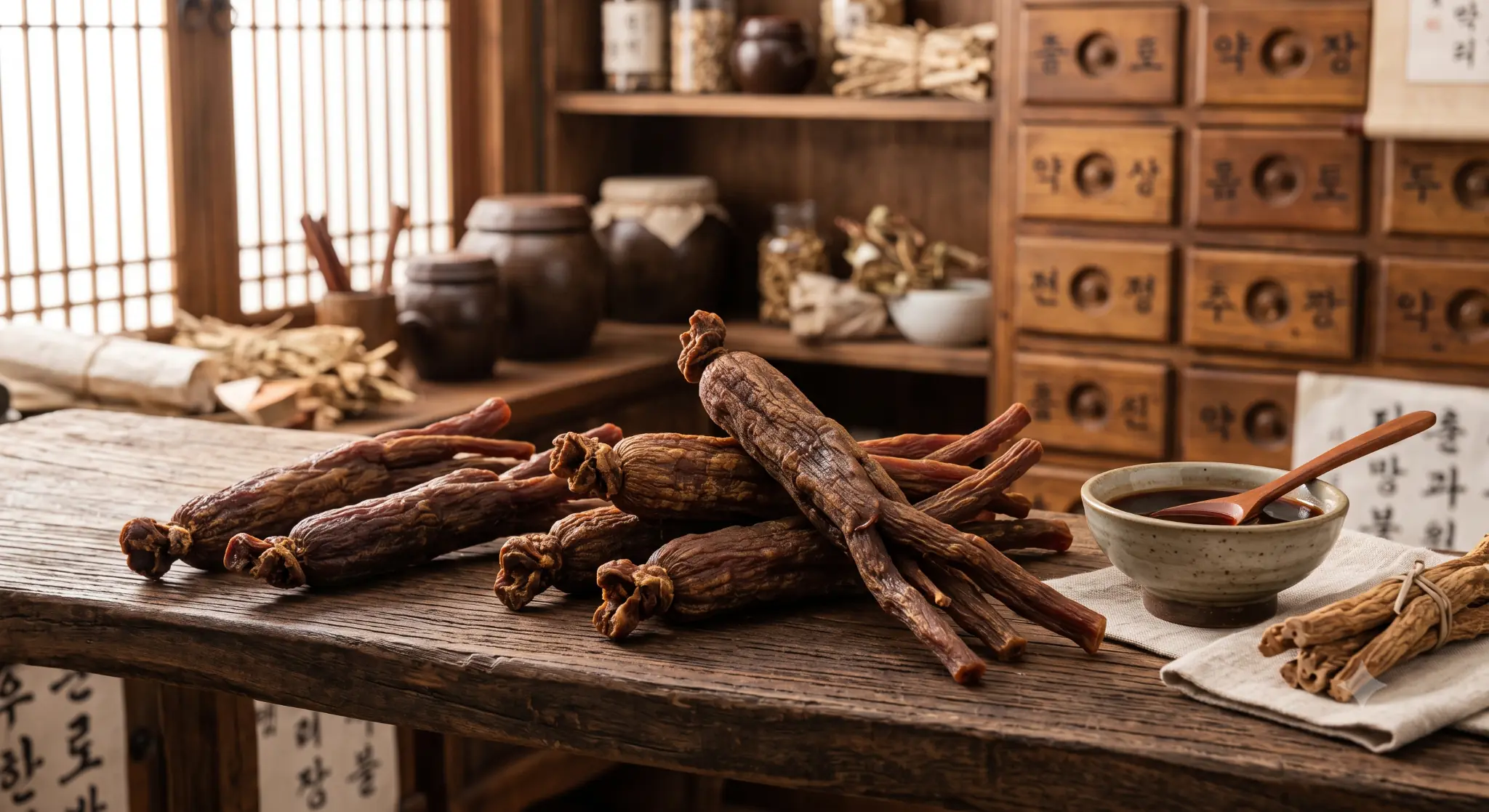
Discover Korean red ginseng, its traditional uses and potential fatigue benefits, plus practical tips for choosing and enjoying it in the UK. 🌟 Key Takeaways Korean red ginseng, or hongsam (홍삼), has long been valued in Korea as a traditional tonic. It is commonly enjoyed as a concentrated extract, warm tea, powder or convenient ready-to-drink…