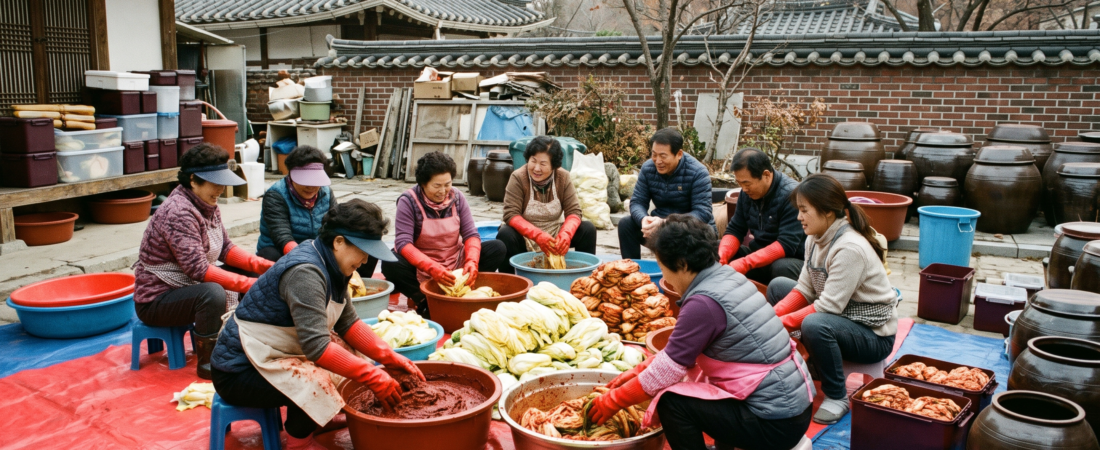
When autumn gives way to winter in Korea, one of the country’s most meaningful food traditions comes into focus: kimjang (김장), the communal preparation of kimchi for the colder months ahead.
For generations, Korean families and communities have gathered to prepare large quantities of kimchi, sharing ingredients, practical knowledge and the work involved. Although kimchi is now widely available in supermarkets around the world, kimjang represents something that goes beyond making a fermented vegetable dish. It reflects family cooperation, seasonal food traditions and the importance of sharing with others.
For those discovering Korean food culture in the UK, understanding kimjang offers a deeper appreciation of the kimchi served alongside everyday Korean meals. It also provides an opportunity to explore how traditional food knowledge continues to connect people across generations and cultures.
In 2013, UNESCO inscribed Kimjang, making and sharing kimchi in the Republic of Korea on its Representative List of the Intangible Cultural Heritage of Humanity, recognising the practice’s cultural and social significance.
🌟 Key Takeaways
- A seasonal Korean tradition: Kimjang traditionally takes place in late autumn, when families prepare kimchi to enjoy throughout winter.
- More than food preparation: Making and sharing kimchi strengthens family relationships, encourages cooperation and helps preserve traditional knowledge.
- A living food culture: Although ingredients, techniques and household routines vary, kimjang continues to connect Korean food heritage with everyday life, including for Koreans living abroad.
1. What Is Kimjang? Understanding Korea’s Kimchi-Making Tradition
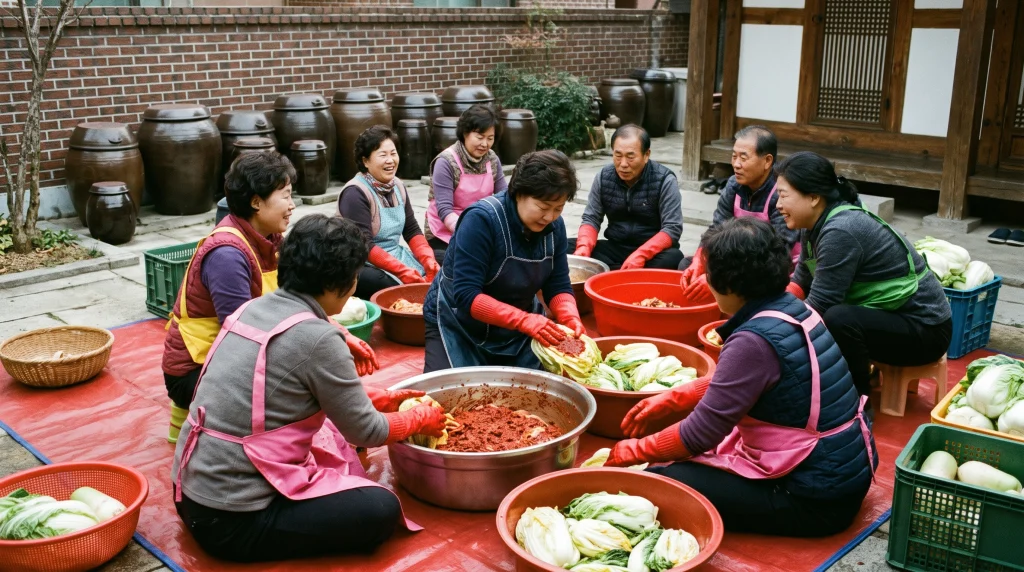
Kimjang is the Korean tradition of preparing and sharing large quantities of kimchi ahead of winter. The word refers not simply to making kimchi, but to the wider cultural practice surrounding its preparation, knowledge and distribution.
Traditionally, households needed to preserve vegetables for a period when fresh produce could be less readily available. Preparing kimchi in substantial quantities helped families maintain a familiar and nutritious accompaniment to meals throughout the colder months.
Kimjang developed into a collective activity in which relatives, neighbours and community members could work together. Preparing many cabbages requires time, ingredients and considerable effort, so sharing the work made practical sense as well as strengthening social relationships.
The tradition also reflects Korea’s seasonal approach to food. Families consider the weather, the availability of ingredients and the conditions needed to prepare and store their kimchi.
Today, people can purchase kimchi throughout the year, but kimjang remains an important expression of Korean cultural identity and community life.
Why Was Kimjang Traditionally Held in Late Autumn?
Late autumn was a practical time to prepare kimchi for winter. Seasonal vegetables were available, and cooler weather helped families plan the preparation and storage of larger quantities.
Traditionally, preparations could begin months earlier. Households might arrange ingredients in advance, including salt and chilli pepper, before the main kimjang gathering.
The exact timing varied according to regional climate, local customs and household circumstances. Kimjang was not a single nationwide event held on the same day; families chose suitable times according to their needs and conditions.
This seasonal rhythm illustrates an important feature of traditional Korean food culture: food preparation was closely connected to the natural environment and the changing seasons.
2. The Family Traditions Behind Kimjang
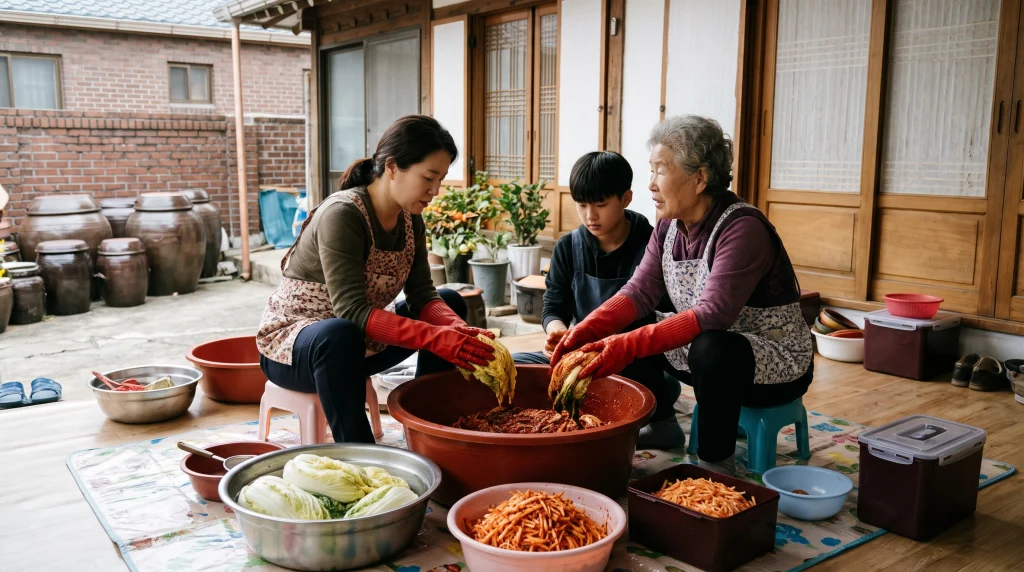
One of the most meaningful aspects of kimjang is the way knowledge is passed from one generation to another.
Making kimchi involves more than following a written recipe. Experience helps people judge how vegetables should be salted, how seasoning should be balanced and how ingredients can be adjusted according to taste and local traditions.
In many families, older relatives have traditionally taught younger generations these practical skills. Recipes may be remembered through observation and participation rather than precise measurements alone.
Recipes That Carry Family Memories
Kimchi recipes can vary considerably between households. Some families prefer a stronger garlic flavour, while others adjust the chilli, salt or fermented seafood according to their established preferences.
Regional traditions also influence the ingredients and methods used. There is no single recipe that represents every Korean family’s kimjang.
This variation is part of the tradition’s value. A family recipe can preserve memories of parents and grandparents, familiar seasonal meals and the people who helped prepare food for the household.
UNESCO recognises the transmission of knowledge and skills between generations as an important aspect of kimjang. Its cultural significance lies not only in the finished kimchi, but also in the relationships and shared knowledge involved in making it.
Working Together and Sharing the Results
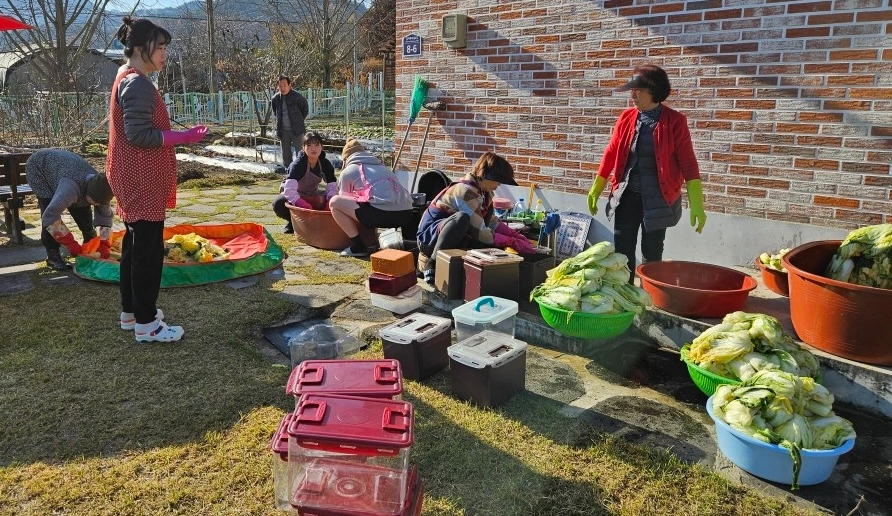
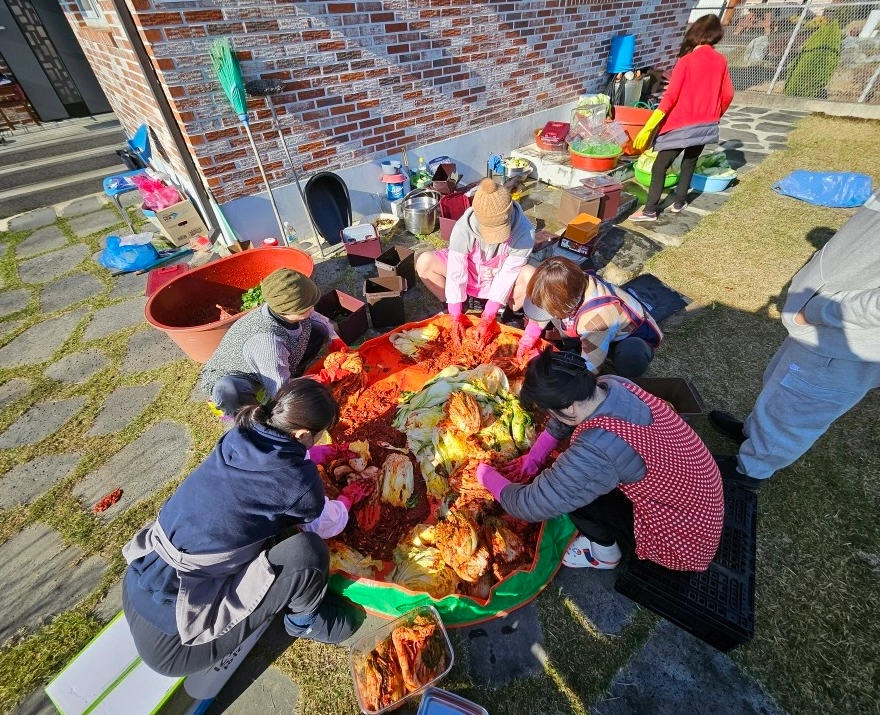
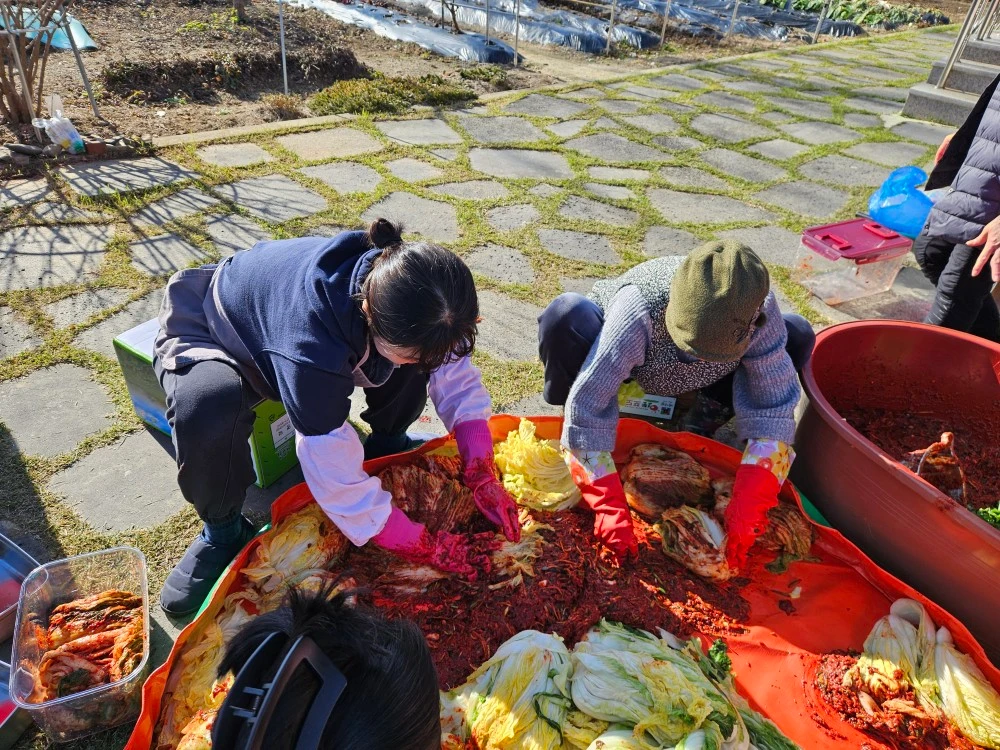
A traditional kimjang gathering may involve washing and salting vegetables, preparing seasoning, coating cabbage leaves and packing the finished kimchi into suitable containers.
These tasks can be time-consuming when large quantities are involved. Family members and neighbours may divide the work according to their experience and availability.
Once the kimchi is prepared, some households share portions with relatives, neighbours or people who may need support. This exchange reflects the wider spirit of cooperation associated with kimjang.
For many people, the memory of kimjang is therefore connected not only to the taste of kimchi, but also to the conversations, teamwork and relationships that surround its preparation.
3. The Ingredients That Define Traditional Kimchi
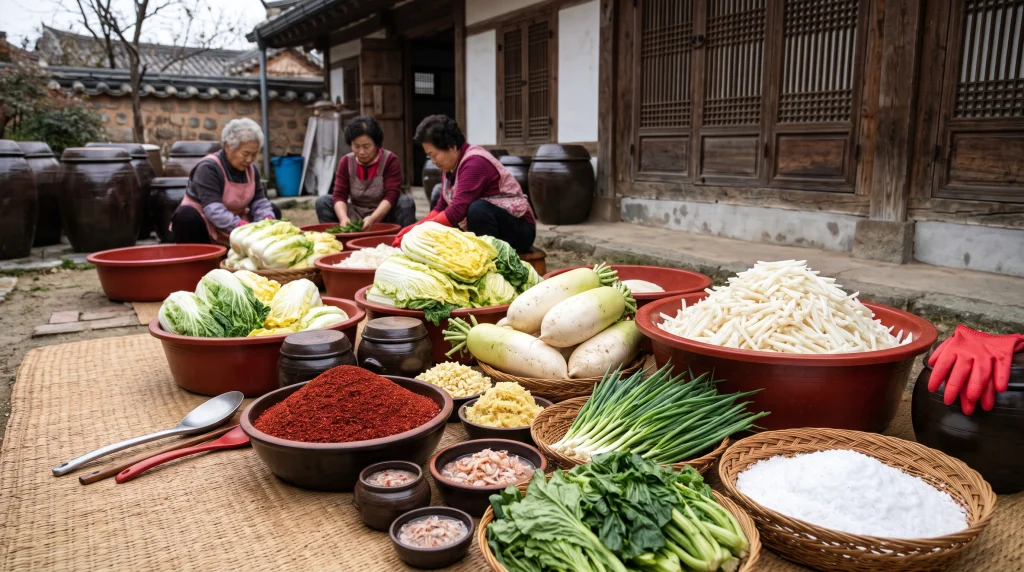
Although kimchi comes in many forms, napa cabbage kimchi is one of the best-known varieties associated with kimjang.
Its flavour develops from a combination of vegetables, seasoning and fermentation. Ingredients can vary according to regional traditions, family recipes and dietary preferences.
Napa Cabbage and Korean Radish
Napa cabbage provides the leafy structure of a familiar cabbage kimchi, while Korean radish can contribute a crisp texture and refreshing flavour.
Both vegetables are prepared before being combined with seasoning. Salting the cabbage helps draw out moisture and changes its texture, allowing it to become more flexible for seasoning and packing.
Gochugaru, Garlic and Ginger
Gochugaru, Korean red chilli pepper flakes, gives many cabbage kimchi recipes their characteristic colour and warmth.
Garlic and ginger add aromatic depth, while other ingredients help balance the flavour. The proportions differ between recipes, so the finished kimchi may taste mild, spicy, savoury or distinctly pungent depending on how it is made.
Jeotgal and Other Seasoning Ingredients
Some traditional kimchi recipes use jeotgal, fermented seafood seasonings that contribute savoury depth. Salted shrimp and fermented anchovy products are familiar examples.
However, not every kimchi recipe contains seafood. Vegetarian and vegan versions can be prepared using alternative seasoning ingredients.
The important point is that kimjang encompasses a variety of methods rather than one fixed formula. The ingredients used reflect local food traditions, family preferences and individual needs.
4. How Kimjang Connects Korean Food With the Seasons
Kimjang illustrates how traditional Korean cooking responds to seasonal changes.
Rather than treating food preparation as a separate activity, the tradition connects ingredient selection, preparation, storage and everyday meals across the year.
Preparing for Winter
Historically, preparing a substantial quantity of kimchi helped households maintain a familiar vegetable side dish during winter.
Kimchi could accompany rice, soups, stews and other dishes, adding acidity, savoury flavour and texture to meals. As fermentation progressed, its flavour changed, offering different culinary possibilities over time.
The precise storage methods and conditions varied between households and generations. Today, refrigeration makes it possible for people to prepare smaller quantities and manage fermentation in ways that suit modern homes.
A Tradition That Continues to Adapt
Kimjang has not remained frozen in the past. Urban lifestyles, smaller households, modern refrigeration and the availability of commercially prepared kimchi have changed how many people approach it.
Some families continue to prepare large quantities together, while others make smaller batches or purchase kimchi when time and circumstances make home preparation difficult.
These different approaches do not erase the tradition’s cultural meaning. They demonstrate how food practices can adapt while retaining connections to family, seasonal cooking and shared knowledge.
For Koreans living outside Korea, kimchi can also provide a familiar connection to home. Preparing it in another country may involve different ingredients and equipment, but the underlying interest in maintaining food traditions can remain meaningful.
5. Kimjang and UNESCO: Why This Tradition Matters
In 2013, UNESCO inscribed kimjang on the Representative List of the Intangible Cultural Heritage of Humanity.
This recognition highlights the tradition’s social and cultural importance rather than treating kimchi simply as a famous Korean food.
UNESCO describes kimjang as a practice that reinforces Korean identity, encourages family cooperation and reflects the relationship between communities and nature.
Several elements help explain its significance:
- Cultural transmission: Practical knowledge, family recipes and preparation skills can be passed between generations.
- Community cooperation: Preparing and sharing food creates opportunities for people to work together.
- Seasonal awareness: The tradition reflects the relationship between food preparation, ingredients and the changing seasons.
- Sharing and social connection: Exchanging kimchi helps maintain relationships within families and communities.
The recognition also helps international audiences understand that traditional food heritage includes the knowledge, relationships and customs surrounding a dish, not only its ingredients or recipe.
For readers exploring Korean cuisine, kimjang is a useful example of how food can preserve cultural knowledge while continuing to evolve.
6. Celebrating Kimchi Day on 22 November
Kimchi Day is celebrated in South Korea on 22 November. Established in 2020, the occasion promotes kimchi’s cultural importance and encourages appreciation of its traditional heritage.
The date also connects naturally with the season in which kimjang is traditionally practised.
For Korean communities abroad and people interested in Korean cuisine, Kimchi Day offers an opportunity to learn about different kimchi varieties, explore Korean food traditions and share dishes with friends and family.
In the UK, you do not need to organise a large kimjang gathering to take part. You could mark the occasion by trying a new kimchi variety, preparing a Korean meal or learning more about how kimchi is made and fermented.
A simple meal of rice, vegetable dishes and kimchi can be a starting point for appreciating how this familiar side dish fits into Korean food culture.
7. Exploring Kimjang Culture in the UK
For readers in the UK, kimjang can be an accessible introduction to Korean food traditions, even if preparing a large batch of kimchi at home is not practical.
Start With the Ingredients
Napa cabbage, garlic, ginger, Korean red pepper flakes and Korean radish are useful ingredients to explore when learning about traditional kimchi.
Korean and other East Asian grocery shops can be helpful places to look for specialist ingredients. Some larger supermarkets also stock selected Korean products, although availability varies by branch.
If you are new to Korean cooking, start by learning what each ingredient contributes to the flavour and texture rather than buying everything at once.
Learn Through Different Kimchi Varieties
Napa cabbage kimchi is only one part of Korea’s wider kimchi culture. Radish kimchi, cucumber kimchi and other regional or seasonal varieties offer different textures and flavours.
Trying several types can help you appreciate the diversity of Korean food traditions and the way ingredients influence the finished dish.
Bring Kimchi Into Everyday Meals
Kimchi is often served as a side dish, but it can also be used in cooked dishes such as kimchi jjigae, kimchi fried rice and savoury pancakes.
If you have ripe, more acidic kimchi, it may be particularly suitable for cooking, depending on the recipe. This is one practical way to make use of kimchi as its flavour develops.
You can explore the tradition without recreating an entire kimjang gathering. Understanding the ingredients, learning about fermentation and sharing a Korean meal are all ways to engage with the culture.
💡 K-Well’s Tip: Think Beyond the Recipe
When exploring a traditional food such as kimchi, it is worth looking beyond the ingredient list.
A recipe explains how to prepare a dish, but food culture helps explain why people make it, when they eat it and how its knowledge is passed on.
Kimjang is a particularly meaningful example because it brings together seasonal cooking, family traditions and community cooperation. Whether you prepare kimchi at home or buy it from a Korean grocery shop, learning about these connections can make an everyday meal more interesting.
For anyone new to Korean cuisine in the UK, start with curiosity. Try different kimchi varieties, learn about their ingredients and explore the dishes in which they are traditionally enjoyed.
FAQ
Q1. What is the difference between kimchi and kimjang?
Kimchi is the Korean name for a broad range of seasoned, fermented or otherwise preserved vegetables. Kimjang refers to the cultural tradition of preparing and sharing large quantities of kimchi, traditionally ahead of winter.
Q2. When does kimjang usually take place?
Kimjang traditionally takes place in late autumn, although the timing varies according to regional climate, local customs and household circumstances. Families choose suitable times for preparing and storing their kimchi.
Q3. Why is kimjang recognised by UNESCO?
UNESCO inscribed kimjang on its Representative List of the Intangible Cultural Heritage of Humanity in 2013. The recognition reflects its importance in passing down traditional knowledge, strengthening family cooperation and encouraging sharing within communities.
🌿 K-Well’s Final Thoughts
Kimjang shows how a familiar food can carry a much deeper cultural meaning.
As Korean families have become smaller, the way people prepare kimchi has gradually changed. Unlike previous generations, who often gathered in large family groups to make enough kimchi for the winter, many households today make smaller batches at home or simply buy kimchi when they need it. Yet, gathering together to make kimchi can still be a meaningful family event.
Working together to prepare kimchi, sharing the results and enjoying it throughout the winter — and sometimes for much of the year — can bring a sense of achievement and togetherness. In this way, kimjang represents more than preparing food; it symbolises cooperation, connection and the pleasure of creating something together.
Having lived in the UK for many years, I have never experienced a large family kimjang gathering myself. However, seeing photographs of my parents making kimchi with relatives always warms my heart. When I visit Korea, I make kimchi with my mother and bring those familiar flavours back to the UK, where enjoying it reminds me of home and the time we shared preparing it.
Traditions may change as family life evolves, but their meaning can endure. Whether kimchi is made in a large family gathering, prepared in a small batch or bought from a shop, it continues to connect people with Korean food culture, family memories and the comfort of sharing food.
Read Next
- Kimchi and Adult Acne: Understanding the Gut–Skin Connection
- 3 Essential Korean Fermented Foods: Kimchi, Doenjang and Gochujang
- What Is Chuseok? Korean Harvest Festival Foods and Traditions
References
- Korea Tourism Organization. Kimjang, Making and Sharing Kimchi. https://english.visitkorea.or.kr/svc/contents/infoHtmlView.do?menuSn=254&vcontsId=172556
- Ministry of Agriculture, Food and Rural Affairs, Republic of Korea. The ROK Celebrates the 6th Kimchi Day. https://www.mafra.go.kr/bbs/english/25/576009/artclView.do
- UNESCO. Kimjang, Making and Sharing Kimchi in the Republic of Korea. https://ich.unesco.org/en/RL/kimjang-00881