Korean Food Culture
-
3 Korean Teas for a Balanced Skin Routine
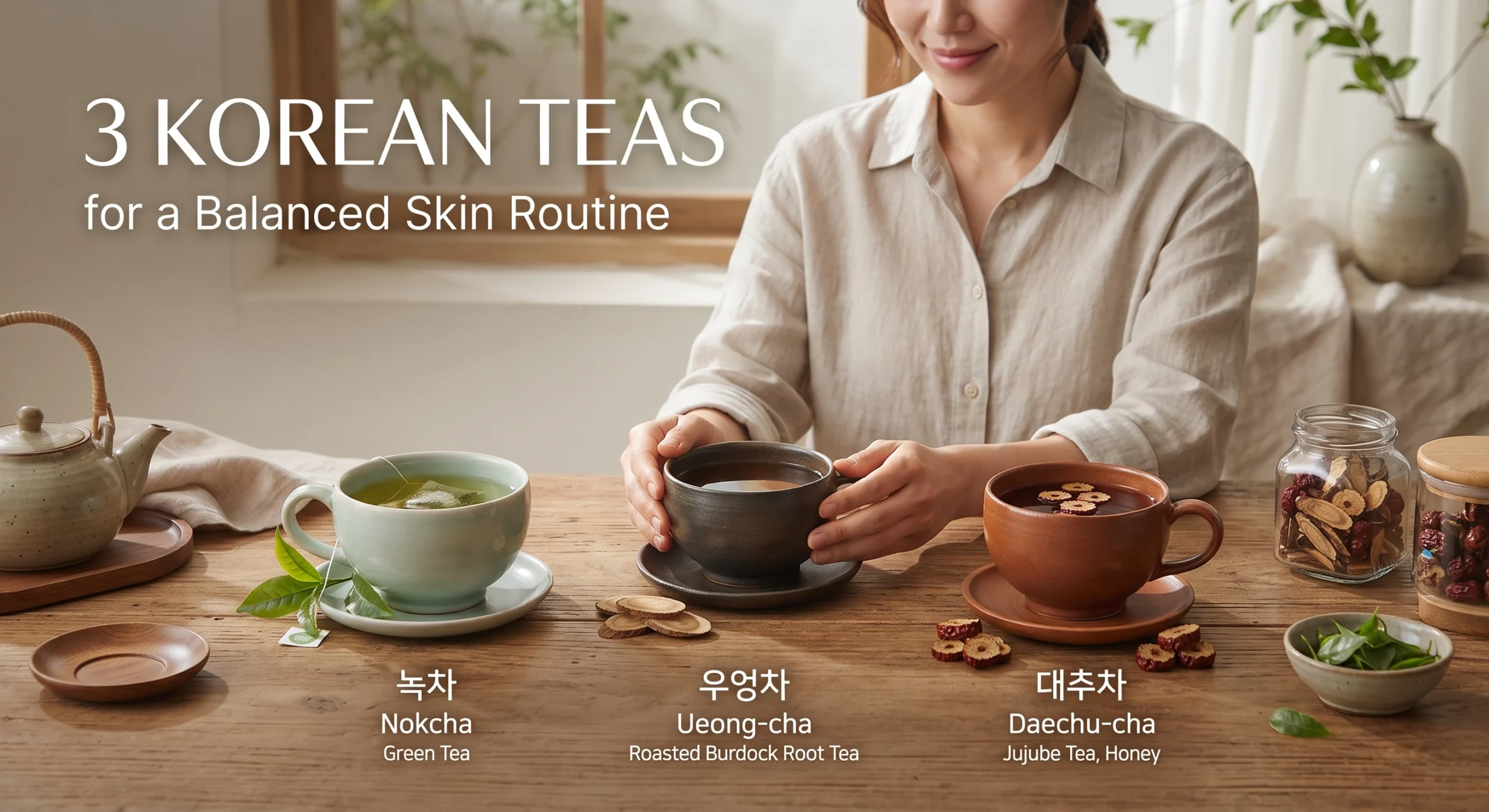
A healthy-looking complexion is influenced by more than a skincare routine. Everyday habits such as eating a varied diet, getting enough sleep, staying hydrated and protecting your skin from the sun can all contribute to overall wellbeing. In Korean food culture, tea is often enjoyed as part of everyday life rather than as a special…
-
Inside-Out Glow: A Korean-Inspired Daily Routine for Healthy-Looking Skin

Healthy-looking skin is not created by one “superfood”. It is supported by the everyday combination of nourishing food, regular movement, sleep, sun protection and a skincare routine that suits you. For me, a Korean-inspired approach to inner beauty is less about chasing perfect “glass skin” and more about making everyday meals colourful, balanced and enjoyable.…
-
Is Gochujang Healthy for Weight Loss? Sugar, Portions and Smart Ways to Use It
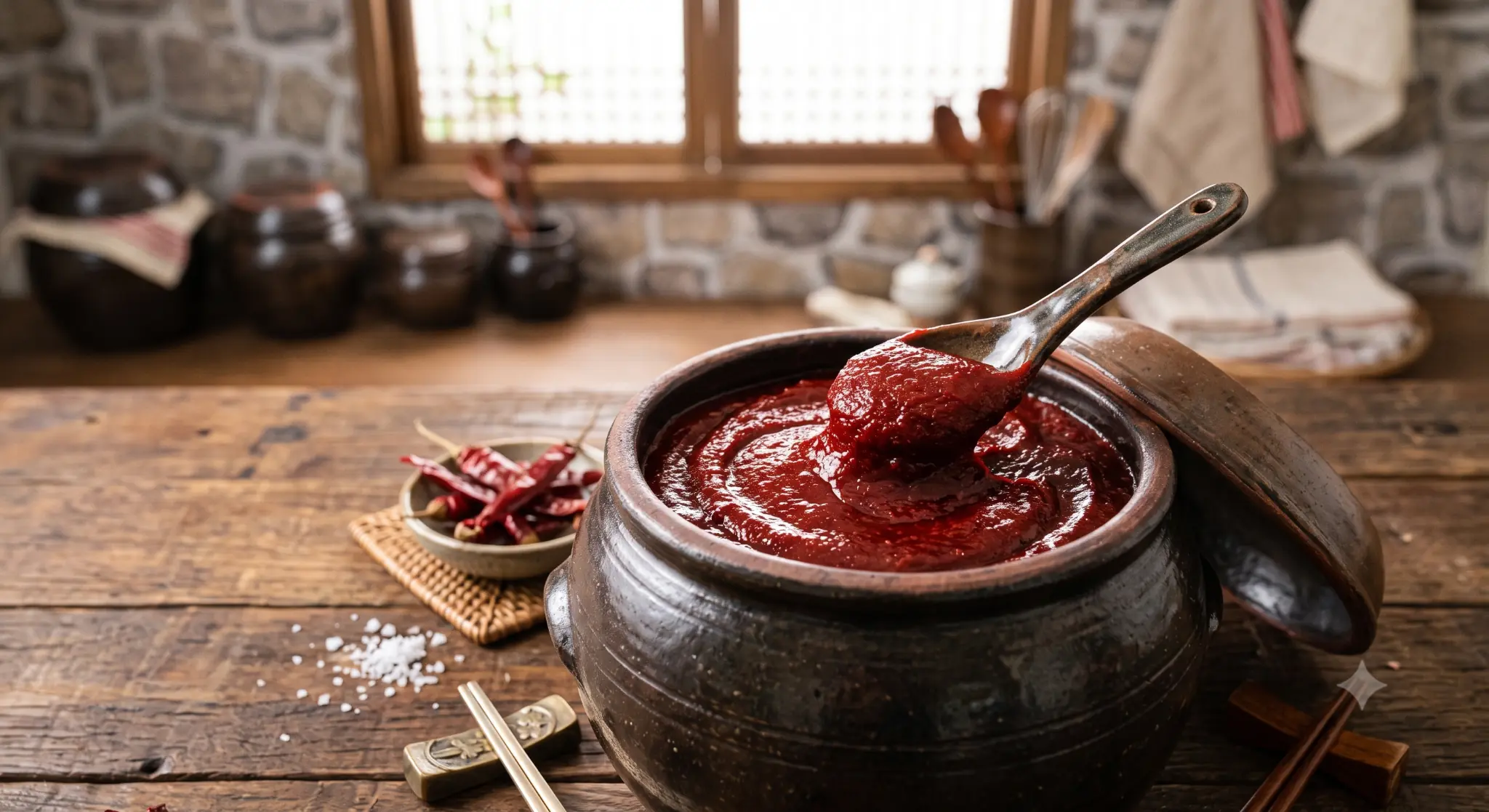
Is gochujang healthy for weight loss? Learn how to compare sugar, salt and serving sizes, then use Korean chilli paste in balanced meals. 🌟 Key Takeaways What Is Gochujang? Gochujang (고추장) is a Korean fermented chilli paste associated with red pepper powder, grain, fermented soybean ingredients and salt. Its flavour is spicy, savoury and mildly…
-
Hydrating After Morning Yoga: Why Koreans Drink Roasted Barley Tea (Bori-cha)
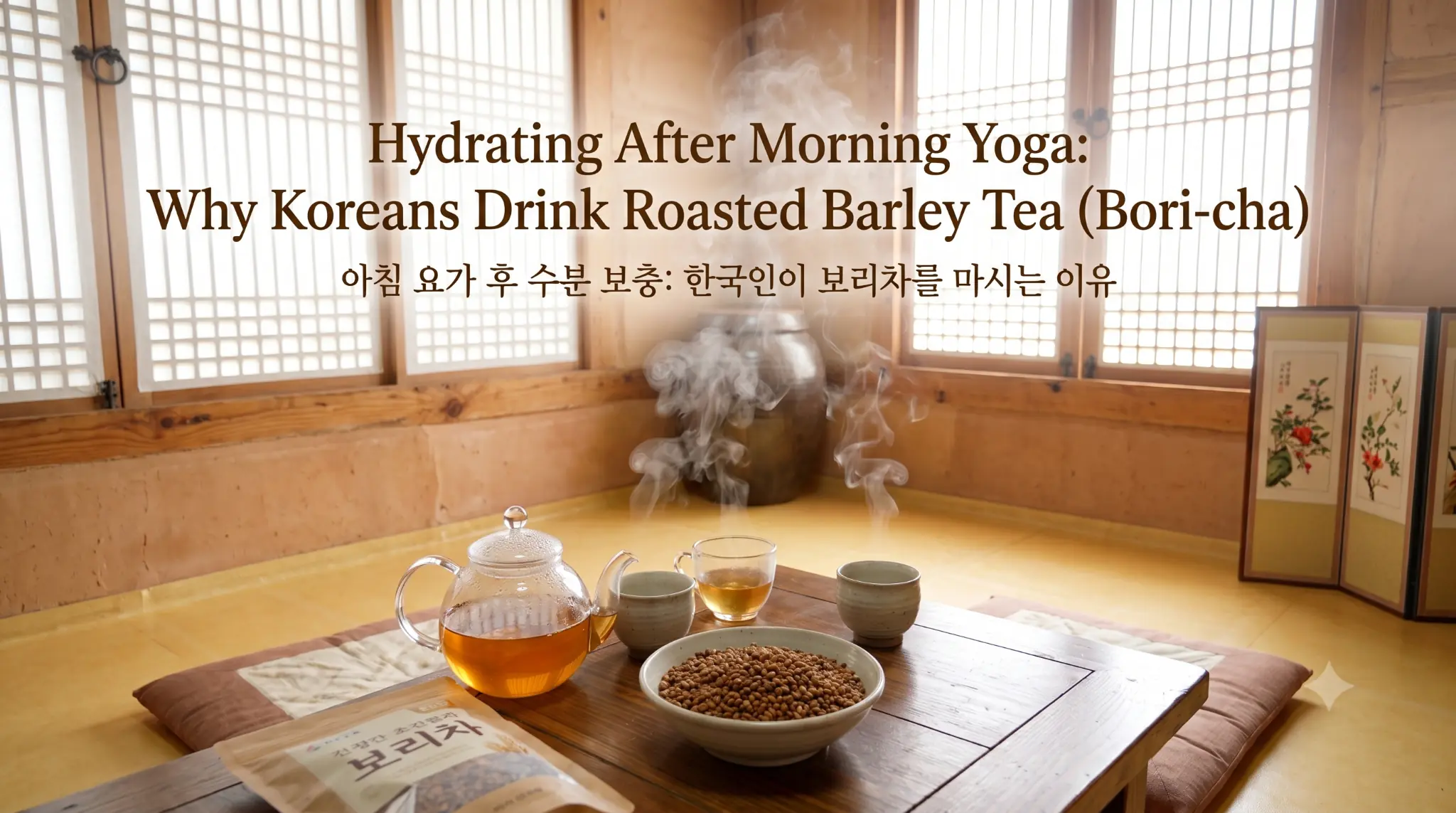
Rehydrate after morning yoga with Korean roasted barley tea. Discover why caffeine-free Bori-cha makes a refreshing, unsweetened daily wellness drink. 🌟 Key Takeaways From Savasana to the Kitchen: A Quieter Way to Rehydrate You finish your final Savasana just as the morning light reaches the edge of the yoga mat. Your breathing has slowed, your…
-
What Is Japgokbap? Why Korean Multi-Grain Rice Beats White Rice
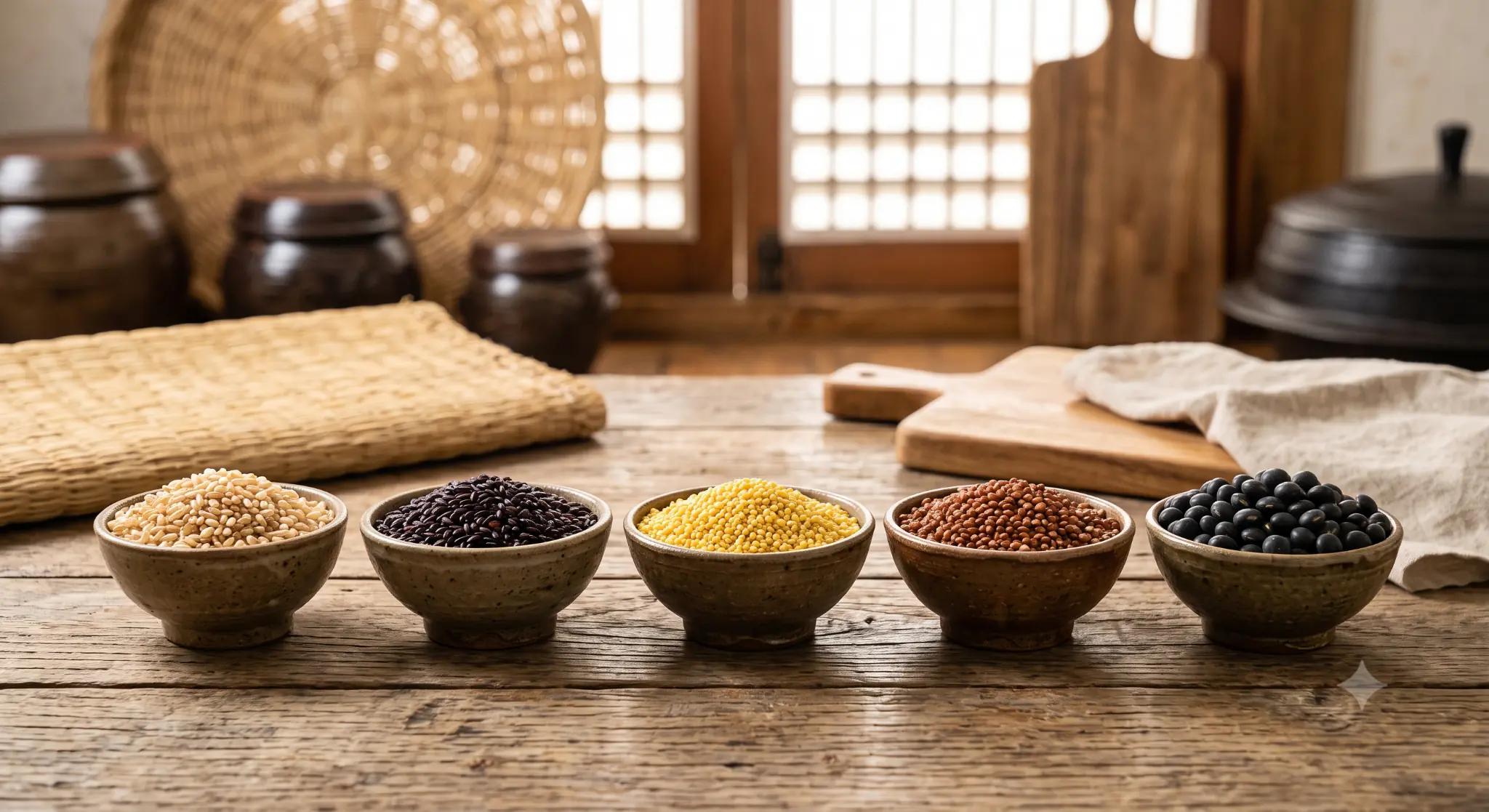
Discover Japgokbap, Korean multigrain rice made with grains and beans. Learn its nutrition benefits, blood sugar considerations and how to cook it at home. Key Takeaways The Korean Rice Bowl Is Not Always White Ask someone to picture Korean food and they may imagine a bowl of steaming white rice beside kimchi, soup and banchan.…
-
3 Essential Korean Fermented Foods: Kimchi, Doenjang and Gochujang
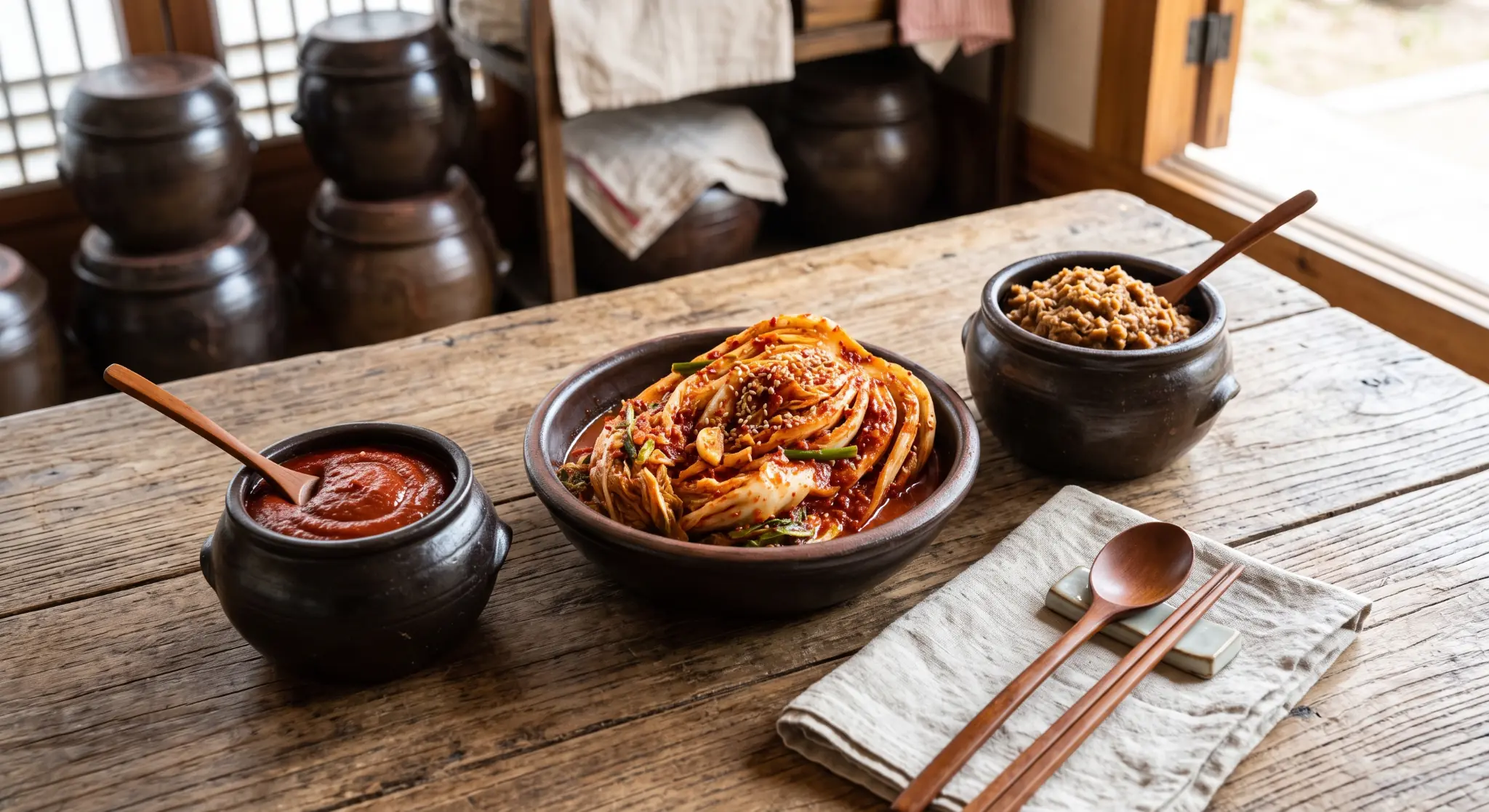
Explore kimchi, Doenjang and Gochujang, what makes each one unique, and practical ways to enjoy them in everyday UK meals. Key Takeaways What Makes a Food Fermented? Fermentation is a traditional food-making process in which microorganisms such as bacteria, yeasts or molds transform ingredients over time. As they interact with the natural carbohydrates and proteins…