Top 3 Korean Fermented Foods (Kimchi, Doenjang, Gochujang) for Improving Gut Health and Digestion
Discover the science-backed benefits of Kimchi, Doenjang, and Gochujang. Learn how these traditional Korean ferments improve gut health, optimize digestion, and support your microbiome naturally.
7/15/20265 min read
💡 Key Takeaways
Direct Microbiome Diversification: Traditional Korean fermentation (balhyo) serves as a highly bioavailable source of live, stomach-acid-resistant lactic acid bacteria and Bacillus subtilis strains.
Mitigation of Gut-Irritating Anti-Nutrients: The slow enzymatic aging of soybean pastes like Doenjang systematically neutralizes phytic acids, converting heavy proteins into gut-soothing bioactive peptides.
Enhanced Stomach Lining Protection: Mindfully formulated ferments like Gochujang deliver capsaicin alongside digestive enzymes, sparking gut secretions and bolstering intestinal mucosal barrier integrity.
The Living Countertop
Last winter, while sitting at the kitchen counter in my parents' home, the pungent yet complex aroma of raw garlic and slowly fermented chili peppers filled the air. At the time, I was exhausted and suffering from persistent, uncomfortable bloating—the result of intense work stress and frequent late-night snacking—and was just then voicing my discomfort while rubbing my stomach.
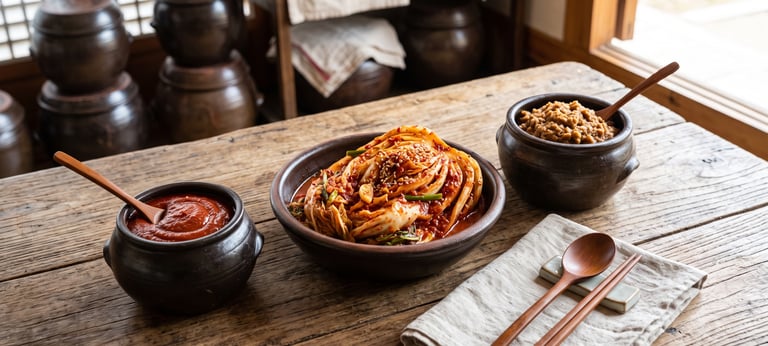
Instead of recommending expensive synthetic probiotic capsules, my mom prepared a warm bowl of rice, perfectly ripened fresh kimchi, and Doenjang-jjigae (soybean paste stew) for me.
Within weeks of introducing this traditional trinity of Korean ferments into my weekly meal prep, my chronic digestive discomfort disappeared entirely. I experienced a dramatic boost in daytime energy and a noticeable shift in their metabolic comfort.
In the modern wellness space, we are often led to believe that achieving optimal gut health requires expensive, manufactured supplements. However, the most complete, biologically active system for microbial restoration has existed for thousands of years in the Korean kitchen. Known natively as balhyo (발효), this ancient art of natural fermentation relies on wild microflora to pre-digest ingredients, creating a living matrix of gut-friendly nutrients.
Let's explore the scientific mechanisms behind the "Big Three" of Korean fermentation and discover how you can easily integrate these traditional powerhouses into your lifestyle using staples from your local UK supermarket.
1. Kimchi: The Probiotic Shield for Gut Microbiome Diversity
Kimchi is far more than a spicy condiment; it is a live, symbiotic colony of prebiotic plant fibers and trillions of active beneficial bacteria. Primarily constructed from napa cabbage, Korean radish, garlic, and ginger, kimchi undergoes spontaneous fermentation driven by wild lactic acid bacteria (LAB), notably Leuconostoc, Weissella, and Lactobacillus species.
During its aging phase, these microbial strains rapidly multiply. When consumed raw, the sheer density of live, stomach-acid-resistant bacteria successfully traverses the gastric barrier to colonize the lower intestinal tract.
Scientific literature shows that this influx of live LAB acts as a physical shield along the gut lining. By populating the mucosal layer, they actively crowd out pathogenic bacteria and reinforce the tight junctions of your intestinal walls. This directly down-regulates low-grade systemic inflammation, which is often the silent culprit behind brain fog, joint pain, and digestive fatigue.
Furthermore, because kimchi contains the fibrous structures of raw cabbage and radish, it functions simultaneously as a prebiotic. These prebiotic fibers are fermented by your native intestinal bacteria to produce short-chain fatty acids (SCFAs) like butyrate and acetate.
SCFAs serve as the primary fuel source for your colonocytes, preserving colonic integrity and ensuring smooth, predictable motility.
2. Doenjang: The Anti-Inflammatory Solution to Bloating and Heaviness
If you frequently experience a heavy, sluggish sensation or uncomfortable bloating after eating complex plant-based proteins, Doenjang (된장) is your structural digestive remedy. Doenjang is a rich, deeply savory paste crafted from yellow soybeans that undergo months—and sometimes years—of natural fermentation in breathable clay vessels (onggi).
While soybeans are an exceptional source of plant-based protein, they inherently contain high concentrations of anti-nutrients in their raw state. These compounds, such as phytic acid, lectins, and trypsin inhibitors, can block digestive enzymes, bind to essential minerals, and trigger significant gut wall irritation.
The extended fermentation of Doenjang utilizes powerful wild molds (Aspergillus oryzae) and resilient spore-forming bacteria (Bacillus subtilis). These microorganisms secrete proteases and amylases that completely break down the complex, hard-to-digest soybean structures.
The resulting paste is packed with highly bioavailable, pre-digested amino acids and unique, anti-inflammatory bioactive peptides.
Recent molecular nutrition studies have identified that these peptides significantly alleviate symptoms associated with inflammatory bowel conditions, repairing damaged mucosal tissues and restoring balanced intestinal transit times without taxing your pancreatic enzymes.
3. Gochujang: The Enzyme-Rich Spark for Gastric Secretion
Gochujang (고추장) is a thick, crimson fermented chili paste made from sun-dried red pepper powder, glutinous rice, fermented soybean powder, and salt. While many people believe that spicy foods inevitably irritate a sensitive stomach, authentically fermented Gochujang provides extraordinary digestive support when used mindfully.
The secret lies in the synergistic combination of natural capsaicin and the enzymatic fermentation of the grain base. During its months of slow aging, the starches in the glutinous rice are converted into easily digestible simple sugars, and the soy proteins are rendered into savory, stomach-friendly peptides.
At the same time, the capsaicin derived from the red chilis acts as a therapeutic stimulant for the gastrointestinal tract. Rather than harming the stomach lining, controlled doses of capsaicin interact directly with sensory receptors in the gut, signaling an increase in localized mucosal blood flow.
This sudden increase in circulation accelerates cellular turnover along the stomach wall and increases the production of protective bicarbonate secretions.
Additionally, Gochujang is rich in active amylase enzymes that speed up the breakdown of carbohydrates and fats in your main meals, preventing the heavy stasis that often leads to upper-abdominal pressure and acid reflux after a large feast.
Integrating K-Ferments into Your UK Supermarket Routine
You do not need to live near a specialized global market to harness the daily benefits of these three traditional ferments. Major UK grocery stores regularly stock organic ingredients that pair effortlessly with these Korean kitchen staples.
Kimchi
- Primary Gut Benefit: Populates gut with live LAB; stimulates SCFA production
- Local UK Supermarket Pairing: Waitrose organic baby spinach & cold-pressed sesame oil
- Easy Culinary Application: Roughly chop raw kimchi and toss it with fresh baby spinach and toasted sesame oil for a quick, probiotic-rich side salad.
Doenjang
- Primary Gut Benefit: Neutralizes phytic acids; delivers gut-soothing peptides
- Local UK Supermarket Pairing: M&S firm tofu & Tesco closed-cup chestnut mushrooms
- Easy Culinary Application: Whisk a tablespoon of Doenjang into warm (not boiling) water with sliced mushrooms and tofu for a gentle evening digestive reset.
Gochujang
- Primary Gut Benefit: Sparks digestive secretions; enhances gastric blood flow
- Local UK Supermarket Pairing: Sainsbury's lean chicken breast or extra-firm tofu
- Easy Culinary Application: Mix a small dollop of Gochujang with minced ginger, garlic, and honey to create a clean, gut-boosting glaze for lean proteins.
Cultivating Your Inner Garden
Ultimately, restoring your gut health isn't about dramatic restriction or taking synthetic tablets. It is about reintroducing natural, living food ecosystems into your daily life.
By welcoming the comforting, deeply complex flavors of Kimchi, Doenjang, and Gochujang into your standard grocery routine, you tap into centuries of ancestral wellness validated by modern science. Start small by introducing one ferment to your plate this week, and let your body guide you toward a balanced, vibrant gut.
📚 References
Joshi, S., & Metabolic Health Review. (2014). Health benefits of Kimchi and fermented Asian cabbage as a probiotic functional food: Mechanisms of gastric acid resilience and intestinal barrier optimization. Journal of Medicinal Food, 17(1), 6-15.
Kim, J. Y., & Ethnic Food Studies. (2018). A review of the health-promoting properties of kimchi: High cell density probiotics and systemic inflammatory mitigation. Journal of Ethnic Foods, 5(2), 85-92.
Lee, S. H., & Food Science Institute. (2016). Effects of Gochujang (Korean fermented red pepper paste) on gastric secretion and mucosal defense against capsaicin irritation. Journal of Food Science and Nutrition, 21(3), 198-205.
Park, S. E., & Microbiome Research. (2021). Efficacy of Doenjang, a traditional Korean fermented food, against Dextran Sulfate Sodium-induced ulcerative colitis: Effect of distribution of microorganisms. Journal of Food and Nutrition Research, 9(4), 174-183.
Park, M. Y., & Fermentation Tech. (2015). Gochujang (Korean red pepper paste): A Korean ethnic spice with health-promoting properties and enzymatic amylase digestion. Journal of Ethnic Foods, 2(1), 22-29.
Shin, D. H., & Nutrition Practice Group. (2013). Anti-obesity and antioxidative activities of doenjang in overweight subjects: Impact of soy-derived bioactive peptides. Nutrition Research and Practice, 7(5), 349-356.
Disclaimer: This article is for informational purposes only and does not substitute for professional medical advice, diagnosis, or treatment. Always consult with a healthcare professional before making significant changes to your diet, especially if you have underlying health conditions.
KWellnessKitchen
Low-glycemic Korean temple food for athletic recovery.
Home-Recipes&Guides-Our Story
Stay connected
hello@kwellnesskitchen.com
Seoul & Remote
© 2026 KWellnessKitchen-Science-backed, low-glycemic Korean culinary wisdom.
TEMPLE FOOD FOR MODERN RECOVERY